- Blog
- Travel tips and safety
- Best places to visit in Canada for the year-end travel season
Best places to visit in Canada for the year-end travel season
Canada has long been renowned for its gorgeous North American highlands, glaciers with turquoise rivers, tucked away in huge forests, or mountain ranges. Visitors to this region may be drawn by the pristine lakes in Vancouver National Park, the springtime floral displays in Butchart Gardens Park (particularly the cherry blossoms), or the region's world-famous maple syrup. Additionally, there are also many other well-known tourist locations appropriate for year-end vacations - suggested by Travelner. Let's check out Travelner explore best places to visit in Canada for the year-end travel season right now!
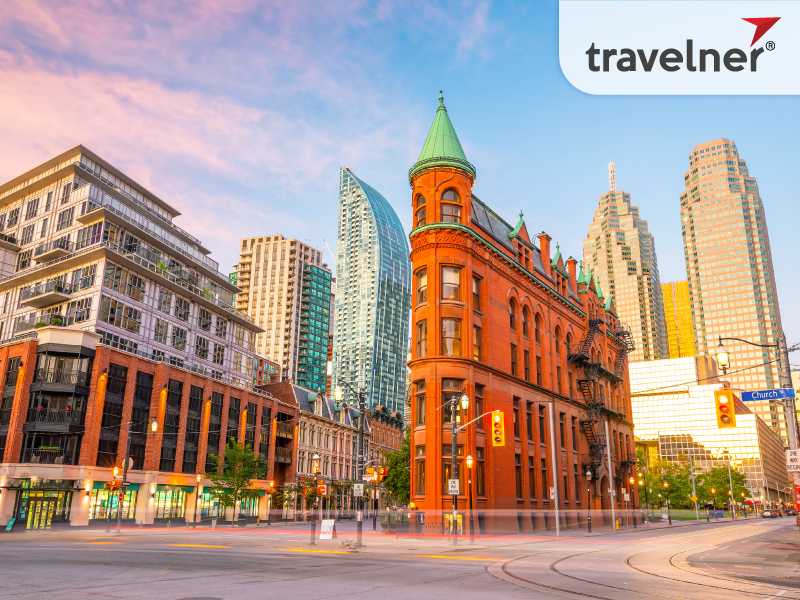
Discover five interesting tourist spots in Canada
The best places in Canada for a relaxing holiday
1. Lake Louise
The Lake Louise bearing Princess Louise Caroline Alberta's name, a daughter of Queen Victoria, is situated in the heart of a broad valley flanked on each side by impossibly tall Rocky Mountains. This region is known for its maple and pine forests as well as the white Victoria glacier towers enormously over the lake. The Village, Lake Louise, and the lakefront hotel are the three main attractions at the lake. It is the perfect location for guests to ski, fish, and take in the breathtaking splendor of nature throughout the winter.
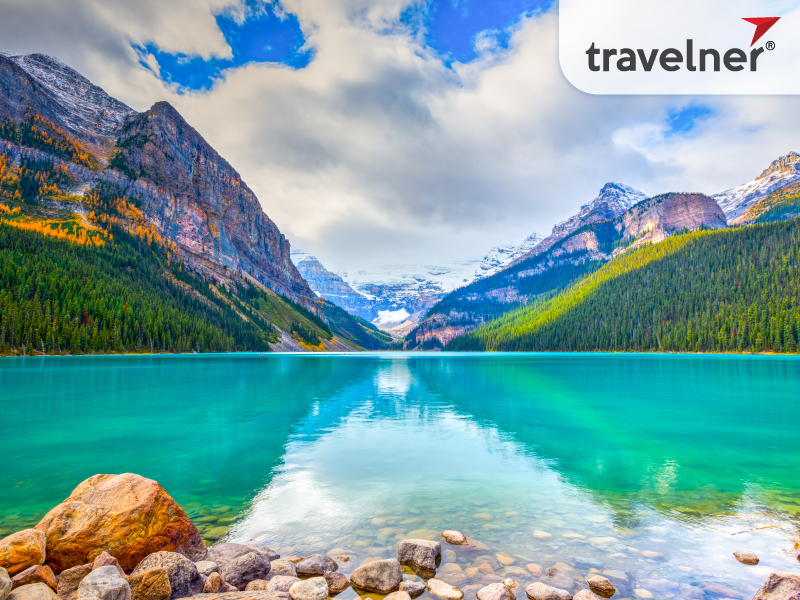
Lake Louise is the best ideal location to admire the beauty of nature in Canada
2. Niagara falls
Located exactly where the Canadian province of Ontario and the US state of New York meet. Horseshoe Falls, American Falls, and Bridal Veil Falls make up the trio of minor falls that make up Niagara. Horseshoe Falls is the portion of the Canadian waterfall's left bank. On the Niagara Parkway, which has numerous parks and vibrant flower beds, visitors may view the falls, as well as from service ships that can navigate the falls.
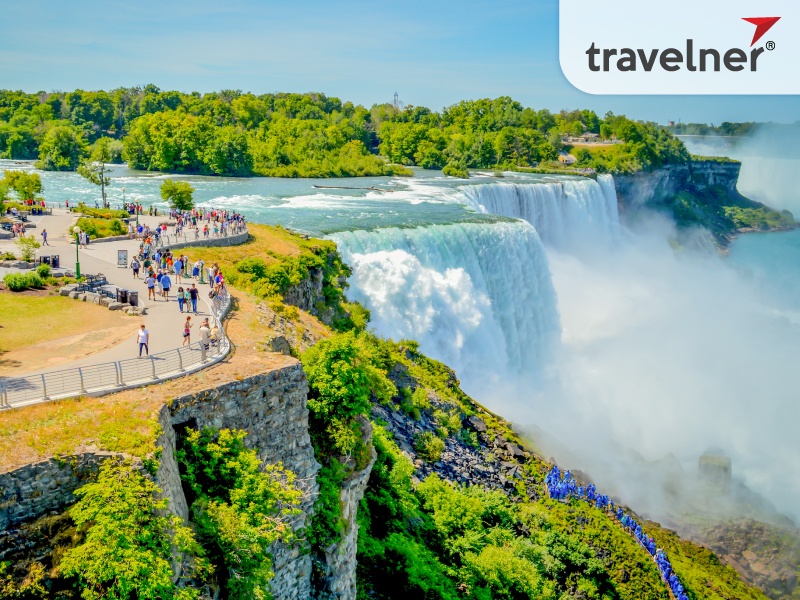
Niagara falls - a majestic group of three waterfalls bordering Canada & the USA
3. Stanley park
With a size of 400 hectares, Stanley is the largest urban park in North America. In 1888, the city of Vancouver received it as a tourist attraction after it had originally served as a Royal British naval base for a long time. The park's entryway features nine totems representing First Nation Aboriginal people who used to live here. The Vancouver Aquarium, Beaver Lake, and the area along the Vancouver Seawall for pedestrians and bicycles are a few of the must-see locations.
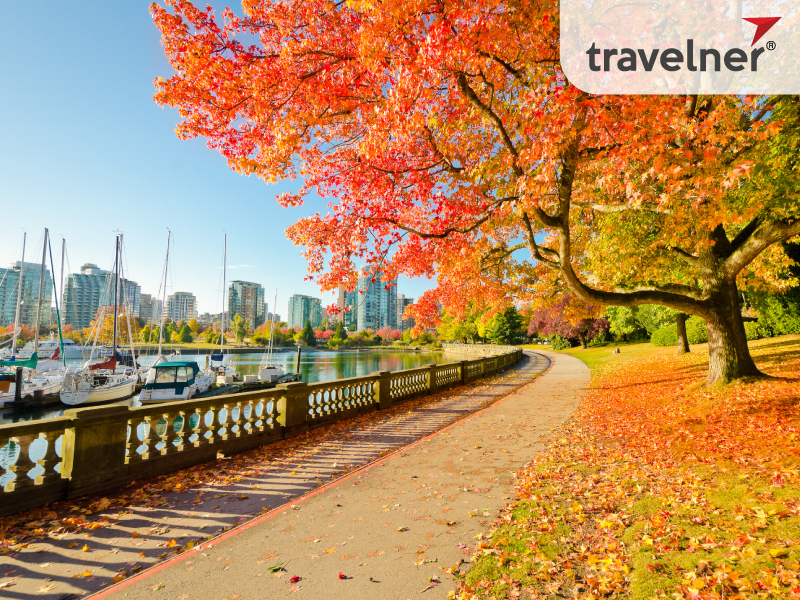
Walking and exercising in the morning at Stanley park is a great idea for travelers
4. Casa Loma historic castle
The castle was constructed in Toronto, Canada's capital city, between 1911 and 1914 using traditional Gothic design. In Canada, Casa Loma is regarded as a significant museum with a wide range of historical collections. Visitors can join in at a discovery garden outside the castle that is filled with many kinds of flowers. Additionally, guests can savor regional cuisine and premium wines during the Wednesday afternoon Edith Piaf concert.
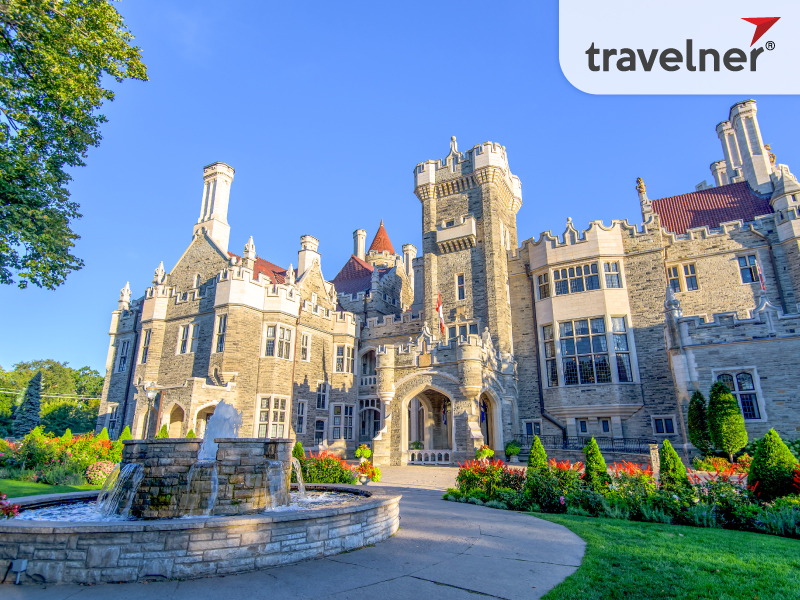
Casa Loma historic castle is a significant Gothic castle in Canada
5. Blackcomb village in Whistler
The largest upscale resort and ski destination in North America is Whistler, located in British Columbia about 125 kilometers north of Vancouver. Visitors can partake in pursuits including skiing, paragliding, and mountain biking. The best spot to round off your trip to Canada is in one of the many cafes, retail malls, or restaurants located right in the center of the Village that serve a wide range of North American food.
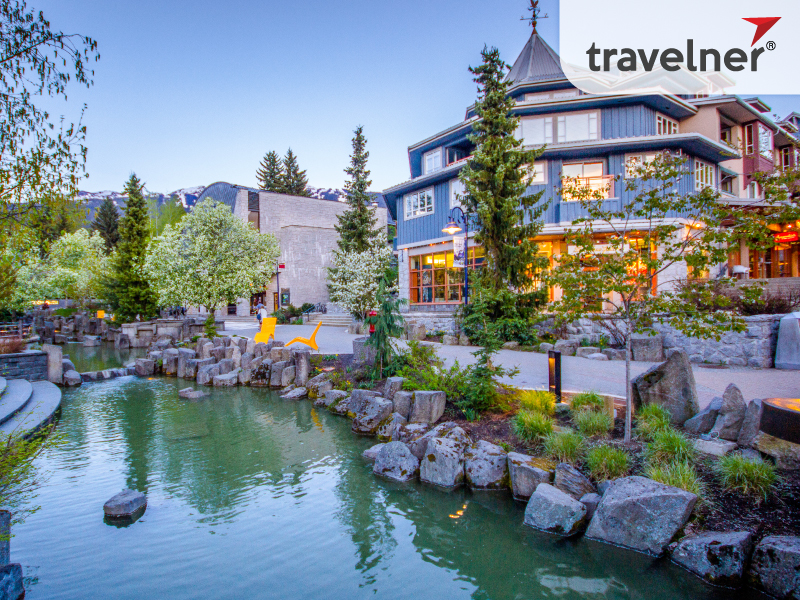
Blackcomb village in Whistler is the largest ski resort in North America
FAQs for Canada for the year-end travel season
How can tourists move around Canada safely in snowy conditions?
Exploring Canada during the winter might prove to be the most wonderful thing to do in life—snowy mountains, frozen lakes, snow glistening in the urban streets—but first things first. The weather during the winter in Canada can be unpredictable, and thus it can help you to enjoy your trip with confidence because of knowing how to move around safely.
When you are driving, it is better to rent a vehicle with winter tires because they are necessary on the roads in winter. Slow down, maintain a greater distance, and never go out without first checking the weather forecasts in the area. Trains and buses that operate in the city are also a good and safe way to go whenever there is heavy snowfall. In the more remote or rural locations, guided tours are the most suitable option, as local experts are familiar with the safest routes and conditions.
For walking around cities, wear slip-resistant boots and warm layers. Sidewalks can get icy, especially in the early morning and evening, so take your time and avoid rushing.
What should travelers pack for a winter trip to Canada?
Packing for a winter trip to Canada means preparing for snowy days, freezing temperatures, and sudden weather changes. To stay warm and comfortable, start with layered clothing—thermal base layers, sweaters, and a high-quality winter jacket. Add waterproof gloves, warm socks, and a cozy scarf to protect yourself from Canada’s chilly winds. A good pair of insulated, non-slip boots is also a must, especially if you plan to explore cities like Toronto, Montreal, or Vancouver on foot.
Don’t forget practical accessories: lip balm, moisturizer, and hand warmers can make a big difference during outdoor activities. If you're planning winter adventures like skiing, snowshoeing, or visiting national parks, pack extra gear such as snow pants, goggles, and thermal hats.
Since winter weather in Canada can be unpredictable—from flight delays to snowstorms—it’s wise to travel with Travelner Insurance. Their travel insurance plans provide essential protection for trip interruptions, medical emergencies, lost baggage, and winter sports coverage. This means you can enjoy Canada’s beautiful winter landscapes without worrying about unexpected situations.
Are Canada’s national parks open during the winter season?
Yes — many of Canada’s national parks remain open during the winter season, and they offer some of the most breathtaking cold-weather experiences you can imagine. From snow-covered mountains in Banff to frozen lakes in Jasper and peaceful forests in Gatineau Park, winter transforms these landscapes into magical wonderlands perfect for adventure lovers.
Visitors can enjoy activities like snowshoeing, winter hiking, ice skating, wildlife watching, and even skiing in certain parks. However, facilities and road access may be limited in some areas due to heavy snowfall, so it’s always a good idea to check park updates before you travel. Parks such as Banff, Jasper, Yoho, and Kootenay are especially popular in winter, offering well-maintained trails and stunning views.
Is travel insurance necessary for visiting Canada in winter?
Visiting Canada in winter is an unforgettable experience — from snowy national parks to vibrant winter festivals — but the season also comes with unpredictable weather and travel risks. While travel insurance is not legally required to enter Canada, it is highly recommended, especially during winter months.
Canada’s winter can bring heavy snowstorms, icy roads, and sudden temperature drops. These conditions may lead to flight delays, trip cancellations, or even minor accidents while enjoying activities like skiing, snowboarding, or ice skating. Having reliable travel insurance ensures that you’re protected from unexpected costs, such as emergency medical treatment, lost luggage, or winter-sports-related incidents.
That’s where Travelner Insurance becomes extremely helpful. Their plans offer comprehensive coverage tailored for winter travelers — including medical emergencies, trip interruptions, and coverage for winter sports. With Travelner Insurance, you can explore snowy landscapes, enjoy outdoor adventures, and travel across Canada with complete peace of mind.
What does Canada travel insurance typically cover for year-end trips?
Year-end trips to Canada are magical — from snowy cities to festive markets and winter adventures. But because winter weather can be unpredictable, having the right travel insurance is essential. So, what does Canada travel insurance typically cover for a smooth, stress-free holiday?
Most Canada travel insurance plans include emergency medical coverage, which is especially important during winter when slips, falls, and sudden illnesses can happen. You’ll also get trip cancellation and interruption protection, helping you recover costs if your plans change due to weather disruptions, illness, or unexpected events. Many policies also cover lost, delayed, or damaged baggage, giving you peace of mind if your winter gear doesn't arrive on time.
For travelers joining winter sports like skiing or snowboarding, some plans even offer optional winter sports coverage — a great add-on if you’re heading to Canada’s famous slopes in Banff or Whistler.
Conclusion
These are the main details of the historic buildings of Canada, including information about its most popular cities and towns, enticing locations, and some must-do activities. To ensure your safe trip to Canada, tourists should consider travel insurance from a reputable travel company. Currently, Travelner provides Canada travel insurance that covers medical-related situations, luggage losses, flight cancellations, and other benefits that supports all tourists from unpredictable events and expenses.
Explore tailored travel insurance and protect your trip now!




Related articles

 May 26, 2026
US Travel Risk: What Travelers Should Know Before Visiting the United States

May 26, 2026
Travel Risk Italy: What Travelers Should Know Before Visiting

May 25, 2026
Travel Risk Australia: What Travelers Need to Know Before Your Trip

May 10, 2026