- Blog
- Student insurance
- Enjoy Exciting Winter Adventure with Student Ski Travel Insurance
Enjoy Exciting Winter Adventure with Student Ski Travel Insurance
Embarking on a ski trip as a student is an exhilarating experience, filled with the promise of fresh powder, breathtaking mountain views, and unforgettable adventures. However, it’s crucial to remember that skiing, like any sport, carries its own set of risks. Student ski travel insurance is a trust companion to give you peace of mind. It provides a safety net, ensuring that students can enjoy their ski trips without worrying about potential mishaps or accidents. From medical emergencies to equipment damage, this insurance covers a wide range of scenarios, offering peace of mind for both students and their families.
In this article, we will delve into the importance of student ski travel insurance, its coverage, and why it’s a must-have for any student planning a ski trip. Stay tuned as we navigate through the snowy slopes of this essential topic.

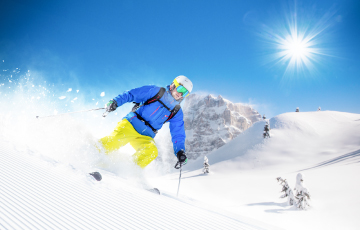
Student ski travel insurance is helpful to enjoy exciting activities
1. What is student ski travel insurance?
Student ski travel insurance is a specific type of travel insurance designed for students who are planning to go on ski trips. It provides coverage for a variety of scenarios that could occur during such trips.
Student ski travel insurance provides coverage for a variety of scenarios that could occur during such trips
Here are some key aspects of student ski travel insurance:
-
Medical Emergencies
It covers the costs of immediate medical treatment and hospitalization. In severe cases, it can also cover the cost of emergency evacuation to the nearest medical facility or even repatriation back to the student’s home country if necessary.
-
Equipment Coverage
Ski equipment such as skis, snowboards, helmets, and goggles can be quite expensive. Losing them or having them stolen or damaged can put a significant dent in your budget. Student ski insurance provides coverage for such incidents. It can cover the cost of repairing or replacing your ski equipment, allowing you to continue enjoying your ski trip without any worries.
-
Trip Delay or Cancellation
Unforeseen circumstances such as severe weather conditions, injury, or illness can interrupt your ski trip. In such cases, you may incur additional costs for extra accommodation or travel expenses. Student ski travel insurance provides coverage for these additional costs, ensuring that an unexpected interruption doesn’t turn into a financial burden
-
Personal Liability
Accidents can happen, and sometimes they may result in injury to someone else or damage to their property. If you’re found legally liable for such incidents, you could face significant legal costs. Student ski travel insurance provides coverage for such legal liabilities, protecting you from potential financial loss.
-
Piste Closure
Ski resorts may sometimes have to close their pistes due to lack of snow or adverse weather conditions. If this happens during your ski trip, you could miss out on the skiing experience you’ve been looking forward to. Student ski insurance can provide a payout in such scenarios, compensating you for the missed skiing opportunity.
Remember, the exact coverage can vary depending on the insurance provider and the specific policy. Therefore, it’s important to read the policy details carefully before purchasing to find the best ski holiday insurance. This way, you can ensure that the insurance meets your specific needs and provides adequate coverage for your ski trip.
2. What’s not covered by travel insurance with ski cover?
While student ski travel insurance provides comprehensive coverage for a variety of scenarios, there are certain things that it typically does not cover:
-
Sporting Equipment Damaged from Use
Normal wear and tear or damage resulting from the use of sports equipment is usually not covered
-
Professional Athlete Activities
If you’re participating in a race or competition as a professional athlete, your activities may not be covered.
-
Delayed Baggage on the Way Home
If your baggage is delayed on the way home from your trip, this may not be covered.
-
Certain Winter Sports
Some policies may not cover certain winter sports like heli-skiing, snowmobiling, off-piste skiing, freestyle skiing, competitive skiing, and ski touring.
-
Extreme Sports
More extreme forms of skiing, such as backcountry skiing or heli-skiing, may not be covered unless you add an “adventure upgrade” or a similar endorsement to your policy.
3. Does regular travel insurance cover skiing?
Regular travel insurance may not provide the comprehensive coverage needed for skiing. Skiing carries more risk when it comes to injuries and losses than other types of holidays, so you typically need a specialist insurance policy that covers those risks.
While most standard travel insurance plans do cover some aspects of skiing, they often require an “adventure upgrade” or a similar endorsement for activities like skiing and snowboarding
4. What do I need to get a ski trip insurance quote?

Student ski travel insurance give you peace of mind to enjoy fulfill ski experience
Several factors can affect the cost of a ski trip insurance quote:
-
Age
Insurance providers often consider age as a significant factor when determining the cost of travel insurance. The older you are, the more likely you are to need medical attention. Therefore, the cost of travel insurance tends to increase with age.
-
Health
Pre-existing health conditions can significantly affect the cost of your cover. If you have a medical condition, you may be more likely to need medical treatment while you’re away. Therefore, insurance providers often charge more to cover the increased risk.
-
Number of People Insured
The number of people you need to insure can also affect the cost of your policy. More people mean more potential claims, which can increase the cost of insurance.
-
Destination
The cost of medical treatment can vary widely from one country to another. Therefore, the country or countries you’re planning to visit can significantly influence the cost of your travel insurance.
-
Travel Dates
The length of your trip can also impact the cost of your travel insurance. The longer you’re away, the more likely you are to make a claim, which can increase the cost of insurance.
-
Type of Cover
Whether you need single-trip cover or cover for multiple holidays in a year can affect the cost of your insurance. Annual cover can often be more cost-effective if you’re planning to travel multiple times within a year.
-
Total Trip Cost
The total cost of your trip, including airfare, accommodations, and other prepaid expenses, can influence the cost of your travel insurance. The higher the cost of your trip, the more you stand to lose if you have to cancel, which can increase the cost of insurance.
-
Cost and Type of Your Gear
The cost of your ski equipment and the type of winter sports you’ll be participating in can affect the cost of your travel insurance. More expensive equipment or more risky activities can increase the cost of insurance.
4. How does ski and snowboard insurance differ from standard travel insurance?
Student ski travel insurance and regular travel insurance share many fundamental aspects, but they differ in several key areas due to the unique risks associated with skiing
In addition to basic coverage, student ski travel insurance also has some limitations coverage
|
|
|
|
|
|
|
|
|
|
|
|
|
|
|
|
|
|
|
|
5. Why should I buy student ski travel insurance?
Skiing is indeed an exciting experience, especially for students. It offers a unique blend of adventure, thrill, and breathtaking natural beauty. However, as with any sport, skiing comes with its own set of risks and potential dangers.
Here are a few reasons why investing in student ski travel insurance is a good idea:
-
Peace of Mind
Skiing, while exhilarating, comes with its own set of risks. Accidents, injuries, equipment loss, and other unforeseen circumstances can occur. Having ski travel insurance ensures that you’re covered in case of such events, allowing you to enjoy your trip without constant worry.
-
Financial Saving
The cost of incidents like medical emergencies or equipment damage can be high. Ski travel insurance covers these costs, saving you from potential financial burden. If an accident occurs, the insurance can cover emergency medical care, evacuation, or repatriation back home. If your skis or snowboard get lost, damaged, or stolen, the insurance could reimburse you for the current value of your equipment or the cost of a replacement. This can result in significant savings.

Travelner Insurance is a trust companion on your trip
If you are looking for student ski travel insurance, you can consult some plans in Travelner Insurance. We are a global travel insurance company providing a variety of plans suited for your requirement. Also, we have 24/07 customer service to support you anytime during your trip. Let;s contact with our to choose the best travel insurance for ski trip
In wrapping up, student ski travel insurance is not just an optional extra, but a necessity for any student embarking on a ski trip. It provides a safety net against the unexpected, from injuries on the slopes to lost or damaged equipment. With this insurance, students can fully immerse themselves in the thrill of skiing, knowing they are financially protected. So, don’t let unforeseen mishaps dampen your skiing adventure. Invest in student ski travel insurance and hit the slopes with confidence and peace of mind.
6. Are extreme winter sports, like heli-skiing or backcountry skiing, included in coverage?
Extreme sports in the winter season, including heli-skiing, backcountry skiing, snowmobiling, and ice climbing, are also more adventurous but more dangerous. Owing to this fact, extreme or high-adventure winter sports are not included in every travel insurance program by default. Most of the standard policies will only cover rudimentary winter activities such as skiing on designated trails or ice skating.
But when you are thinking about activities that involve adrenaline rushes, you are in luck because there are insurers who have optional add-ons or extreme sports policies that are tailor-made to suit these kinds of activities. These are plans that cover medical emergencies, rescue and trip interruptions, as well as equipment coverage with regard to activities that are considered risky.
7. How do age and health conditions affect ski trave l insurance costs?
The cost of ski travel insurance has a significant impact on age and health, and the ability to know how these factors affect the cost will help you select the most appropriate plan without feeling the need to worry about it. In most cases, the insurance companies consider older travelers and those with pre-existing medical conditions as risky customers. This does not imply that you cannot have your ski holiday, but the premium will be slightly higher to cover the high chances of medical aid on the slopes.
As we age, the chance of injuries—such as fractures, sprains, or altitude-related issues—naturally increases. Because skiing is already considered a high-risk activity, insurers often adjust prices for travelers over 50, 60, or 70. Health conditions like asthma, heart issues, or chronic illnesses can also affect costs, as they may require more specialized medical care if something happens during your trip.
The good news? There are numerous insurers who provide custom ski travel insurance yet offer a lot of value and cover all types of insurance, such as emergency medical treatment, rescue services, and coverage of the trip. Taking the time to declare your health conditions honestly ensures your policy works when you truly need it.
8. Does regular travel insurance cover skiing, or do I need special ski coverage?
When you are planning a winter vacation with skiing, snowboarding, or any other snow-themed activity, you should know whether your regular travel insurance will suffice. In the vast majority of situations, normal travel insurance falls short of skiing, primarily on the subject of accidents on the slopes, ruined equipment, and surprise mountain-rescue expenses. Skiing is normally considered to be a riskier activity, and therefore, insurers may demand special winter sports insurance.
The benefits that are usually provided under ski coverage are emergency medical treatment for injuries sustained on the ski, coverage on the ski pass or a ski lesson that you cannot use because of bad weather, loss or damage to your ski gear, as well as delays due to the avalanche. Without this extra protection, you may end up paying out of pocket for expenses that could easily become costly.
If you love winter sports or plan to hit the slopes even for just one day, choosing a travel insurance plan that includes winter sports or ski add-ons is a smart and budget-friendly decision. It gives you peace of mind so you can enjoy your trip without stress.
9. What winter sports are excluded from standard ski travel insurance?
Thinking of going on vacation in the snow, one can easily imagine that all snow sports are included in the regular ski travel insurance package, but it is not necessarily so. There are only simple policies that comprise such basic activities as on-piste skiing or snowboarding. Extreme or riskier winter activities are often left out; that is, you would not be covered in case of an accident.
Activities typically not covered include heli-skiing, off-piste skiing without a certified guide, ice climbing, snowmobiling, ski racing, freestyle jumps, glacier walking, and backcountry adventures. Since the risks involved in these sports are greater and the areas require remote access, insurers demand a special add-on or a special adventure-sports policy.
To avoid unexpected costs or denied claims, it’s important to check your policy carefully before hitting the slopes. If you’re unsure which winter sports you plan to try, consider choosing a provider with flexible options.
10. Does ski travel insurance cover trip delays or cancellations caused by bad weather?
Yes — most ski travel insurance plans do cover trip delays or cancellations caused by bad weather, and this protection can make a big difference during winter trips. The weather changes fast when traveling to snow destinations. Severe snowfalls, storms, or unpredictable weather conditions may result in cancellation of flights, late departures, or even temporary shutdown or closure of the ski resorts. That’s where ski travel insurance becomes incredibly valuable.
With the right policy, you can receive reimbursement for additional accommodation costs, meals, transportation, and even the non-refundable bookings you can’t use because of weather-related disruptions. This means you won’t have to worry about losing money when nature takes an unexpected turn.




 May 14, 2024