How to Find the Best Travel Insurance Skiing Japan?
Japan is famous for its stunning landscapes and, in recent years, has become a top destination for skiing enthusiasts. Whether you're carving through the powder in Niseko or gliding down the slopes of Hakuba, Japan offers an unmatched experience for snow lovers. But before you pack your skis and hop on a plane, it's crucial to consider a vital part of your journey—travel insurance. When it comes to travel insurance skiing Japan, ensuring you are adequately covered will save you from unexpected costs and provide peace of mind as you enjoy your trip.
Japan's ski resorts are breathtaking, but skiing does come with certain risks. While travel ski insurance Japan is essential, not all policies are equal, and finding the right coverage tailored for your adventure can be a challenge.
Travelner Insurance will explore what you need to know when looking for travel insurance skiing Japan, from common coverage options like medical care and travel delays, to what makes a good policy for a skiing vacation. We’ll also recommend Travelner Insurance, a top-notch provider of a variety of insurance policies, for travelers heading to Japan.

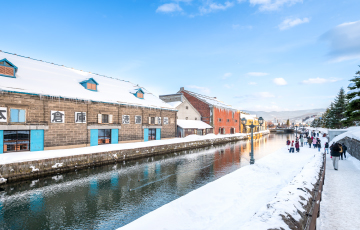
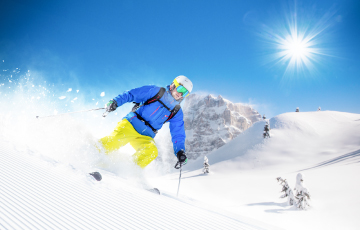
Japan's stunning landscapes have made it a popular destination for skiing enthusiasts.
Table of Contents
1. What is Travel Insurance for Japan?
2. Why Travel Insurance is Essential for Skiing in Japan?
3. How to Choose the Best Travel Insurance for Skiing in Japan?
4. Why Travelner Insurance is a Great Option?
1. What is Travel Insurance for Japan?
Travel insurance for Japan is a specialized type of insurance policy designed to protect travelers from unexpected events and costs while visiting Japan. It provides coverage for a range of situations that can arise during a trip, including medical emergencies, travel delays, lost or stolen luggage, and trip interruptions.
Since traveling to a foreign country like Japan can involve unforeseen challenges, having the right travel insurance ensures that you’re financially protected from potential risks.
2. Why Travel Insurance is Essential for Skiing in Japan?
Planning a ski trip in Japan involves a lot of preparation. Between finding the right resort and organizing your gear, it’s easy to overlook something as critical as travel insurance. However, when it comes to best travel insurance for Japan skiing trip, having the right coverage is essential.
Japan offers some of the best skiing in the world, but its remote locations can present challenges for travelers if something goes wrong. Unexpected weather changes, medical emergencies, and logistical issues like delayed flights are common during ski season. Even minor inconveniences such as lost or damaged ski equipment can turn into major financial burdens.
That’s why it’s crucial to secure comprehensive travel insurance skiing Japan to cover all aspects of your trip. From trip delays to medical emergencies, the right insurance policy ensures you have the protection you need when things don’t go as planned.
2.1. Medical Coverage During Your Ski Trip:
One of the most critical elements of travel insurance skiing Japan is medical coverage. Accidents on the slopes, while uncommon, do happen. Skiing is an inherently risky activity, and even seasoned skiers can suffer from falls or collisions.
In Japan, medical expenses for non-residents can be expensive, and some areas may only have limited healthcare facilities nearby. In the case of a more serious injury, you might require evacuation to a larger hospital, which could lead to significant costs.
2.2. Travel Delays:
Winter travel often comes with its fair share of delays and interruptions, especially in snowy regions like Japan. Whether it's an unexpected snowstorm or a technical issue with your flight, travel disruptions can put a damper on your carefully planned ski trip.
In these situations, travel insurance skiing Japan becomes indispensable. Policies that cover travel delays and interruptions allow you to recover expenses for accommodations, meals, and additional transportation costs.
2.3. Lost or Delayed Luggage:
One of the most frustrating travel mishaps, especially for skiers, is lost or delayed luggage. Imagine arriving at your ski resort in Japan only to find that your skis, boots, or other essential gear haven’t made it to the destination with you.
In this scenario, travel insurance becomes your savior. Most travel insurance skiing Japan policies offer coverage for lost, stolen, or delayed baggage, ensuring you have the funds to replace your missing items or rent equipment in the meantime.

Travel insurance in Japan is crucial for skiers who may face lost or delayed luggage.
3. How to Choose the Best Travel Insurance for Skiing in Japan?
When planning a ski trip to Japan, travel insurance is one of the most critical aspects of your preparation. Given the unpredictability of both skiing and travel in general, ensuring you have the right coverage can save you from potentially significant financial and logistical headaches.
While selecting travel insurance skiing Japan can seem daunting, knowing what to look for makes the process much simpler. Below is a detailed guide to help you choose the best travel insurance for your skiing adventure in Japan.
3.1. Evaluate Your Risks:
The first step in choosing the best travel insurance skiing Japan is evaluating the specific risks associated with your trip. Skiing is an exhilarating but risky sport, and traveling to a foreign country adds another layer of unpredictability.
Understanding these risks will help you select a policy that offers comprehensive coverage tailored to your needs.
a. Skiing Accidents and Medical Emergencies:
The most obvious risk when skiing is the potential for injury. Even if you’re an experienced skier, accidents can happen, whether due to challenging slopes, poor weather conditions, or simple missteps.
Injuries can range from minor sprains to more serious fractures or head injuries, all of which may require medical attention. When traveling to Japan, where healthcare costs can be high for non-residents, having medical coverage is essential.
b. Travel Delays:
Winter weather, especially in Japan’s mountainous ski regions, can cause flight delays or interruptions. If your flight is delayed, you may incur extra expenses for accommodation and meals while waiting for the next available flight. Your insurance should cover these costs to save you from having to pay out of pocket.
c. Lost or Delayed Luggage:
Skiing trips often involve bringing along expensive gear. Losing your luggage, particularly when it includes costly ski equipment, can be both frustrating and expensive. Many travel insurance policies offer reimbursement for lost or delayed luggage, but it’s important to ensure that the policy covers high-value items like ski gear.
d. Evacuation from Remote Areas:
Japan’s ski resorts are often in remote mountainous regions, where access to medical facilities might be limited. In the event of a serious injury, you may need to be evacuated to a hospital in a larger city, and this can be extremely costly without proper coverage.
When evaluating your risks, think about all the potential disruptions and costs that could occur during your trip. Whether it’s medical treatment after an injury, replacement costs for lost ski gear, or unexpected expenses due to flight delays, your insurance should provide protection against these financial burdens.
3.2. Check the Fine Print:
Once you’ve assessed your risks, the next step is to carefully examine the fine print of any potential insurance policy. This is where many travelers make mistakes—assuming that all insurance policies offer the same level of coverage. However, policies can vary significantly, especially when it comes to high-risk activities like skiing.
a. Skiing and Winter Sports Exclusions:
Not all travel insurance policies automatically include coverage for skiing and other winter sports. Some policies may exclude these activities altogether or require you to purchase additional coverage to protect against skiing-related injuries.
It’s crucial to ensure that your policy explicitly covers skiing accidents, as well as any other winter sports you might engage in, such as snowboarding or snowshoeing.
b. Coverage Limits and Deductibles:
Pay attention to the coverage limits for medical expenses, lost luggage, and trip interruptions. Ensure that these limits are sufficient to cover the potential costs you could face in Japan.
Additionally, check the deductible—the amount you must pay out of pocket before the insurance coverage kicks in. A lower deductible may be more suitable for a ski trip where medical costs could be high.

You should ensure adequate coverage limits for medical expenses, lost luggage, and trip interruptions in Japan.
c. Pre-Existing Medical Conditions:
If you have any pre-existing medical conditions, make sure the policy doesn’t exclude coverage for related issues. Some policies will offer coverage for pre-existing conditions if you disclose them upfront, but others may not, so it’s important to clarify this before purchasing.
3.3. Compare Coverage Options:
Now that you’ve evaluated your risks and checked the fine print, it’s time to compare different insurance policies to find the one that offers the best combination of coverage and value. Here’s what you should keep in mind when comparing policies:
a. Pricing and Value for Money:
While cost is an important factor, the cheapest policy may not always provide the best coverage. Consider the value you’re getting for the price. A slightly more expensive policy may offer more comprehensive coverage, lower deductibles, and higher reimbursement limits.
Weigh the cost of the policy against the potential expenses you could face during your trip to ensure you’re getting the best value for your money.
b.Comprehensive Coverage Options:
When comparing providers, look for policies that offer comprehensive coverage, including medical emergencies, travel delays, lost luggage, and more.
Travelner Insurance is cover essential areas like medical emergencies, trip delays, and lost belongings, making them a great option for travelers seeking robust protection.
4. Why Travelner Insurance is a Great Option?
When it comes to travel insurance skiing Japan, Travelner Insurance stands out as a top choice for its comprehensive coverage and customer-centric approach. Here’s why:
4.1. Wide Range of Coverage:
Travelner Insurance offers policies that cover medical emergencies, trip delays, lost or delayed luggage, and other common travel issues. Our plans are designed to meet the needs of different types of travelers, ensuring that you’re protected no matter what happens during your trip.
4.2. Customizable Plans:
With Travelner Insurance, you can choose from various policy options to find the one that best suits your trip. Whether you’re looking for basic coverage or more comprehensive protection, we have a plan that will meet your needs.

Travelner Insurance offers a wide range of coverage and offers customizable plans to suit different travel needs.
FAQs for Travel Insurance Skiing in Japan
What risks should I consider before buying ski insurance for Japan?
Skiing in Japan is a great idea to plan on; however, one should be aware of the dangers before deciding on the best ski insurance. The ski resorts in Japan, namely Hokkaido and Nagano, are of world-class powder, but winter sports are always associated with possible difficulties. Knowing about these dangers will keep you safe and have the adventure of your life with confidence.
One of the biggest concerns is injury, as skiing and snowboarding can lead to sprains, fractures, or more serious accidents. Medical costs for travelers in Japan can be high, especially in remote mountain areas, so you need insurance that covers emergency treatment, hospital stays, and medical evacuation.
Weather-related disruptions are another risk. Severe snowfalls can lead to flight delays, road closures, or last-minute cancellations. A good ski insurance must have trip interruption and trip delay.
You should also consider equipment loss or damage, especially if you’re carrying expensive skis or snowboards. Theft can happen in crowded resort areas, and rentals can get damaged.
Finally, some travelers forget about off-piste skiing. Many policies exclude it, so check whether your insurance covers backcountry or off-trail activities.
Can I buy travel insurance for skiing in Japan after arriving in Japan?
Yes, you can buy travel insurance for skiing in Japan after arriving — but it’s not the best idea. Many insurance providers allow you to purchase a policy once you’re already in the country, but coverage usually starts 24–48 hours later, and any incident that happens before the policy becomes active won’t be covered. This can be risky, especially when skiing, where injuries, equipment damage, and unexpected weather conditions can happen at any time.
For a safe and stress-free trip, it’s always better to buy your skiing travel insurance before you leave your home country. This ensures full protection from the moment you start your journey — including trip delays, lost baggage, and medical emergencies the moment you hit the slopes.
It is easy to buy a plan with Travelner Insurance that will cover winter sports, which is skiing in Japan. Travelner is a rapid online reservation, flexible travel, and safe cover of medical treatment, emergency evacuation, equipment damage, and personal liability, which are of great need to ski resorts in Japan.
Are pre-existing medical conditions covered by ski insurance in Japan?
In case you are planning to take a ski holiday in Japan, it is natural to ask whether your existing medical conditions will be included in the ski insurance. The short answer is that it depends on the insurance plan you choose, but many policies offer coverage with certain conditions.
Most standard travel insurance policies do not automatically cover pre-existing conditions, especially for high-risk activities like skiing or snowboarding. Nevertheless, some insurers enable you to state your medical condition during the acquisition of your policy. Provided there is stability and control, and the condition fits the requirements of the insurer, it is possible to have coverage under a medical waiver or optional add-on.
It’s important to read the policy carefully — some plans may exclude specific conditions, require a stability period (example: no symptoms or treatment changes for 90–180 days), or ask for documentation from your doctor.
To stay protected during your ski trip in popular destinations like Hokkaido, Niseko, or Hakuba, choose a policy that:
- Allows medical declarations
- Includes winter sports coverage
- Covers emergency evacuation and hospital treatment
- Provides 24/7 assistance in Japan
The key is to buy insurance early, declare your condition honestly, and choose a plan designed for winter sports.
With the right preparation, you can enjoy Japan’s world-famous powder snow safely and confidently.
What happens if my flight to Japan is delayed due to winter weather?
The weather during winter is unpredictable, and there are a lot of delays during the colder months, especially in flights in and out of snowy areas. When you are on your way to Japan due to delayed weather conditions in winter, the first thing you should remember is that you are not the only one, and there are various safety nets to assist in your situation.
Airlines usually provide updates, rebooking options, or alternative routes when delays are caused by weather. Some carriers may also offer meal vouchers or hotel accommodations, depending on how long the delay lasts and their specific policies. It’s always a good idea to check your airline’s mobile app or website for real-time information.
If you have travel insurance, the situation becomes even easier to manage. A good policy can cover extra expenses caused by winter-weather delays—including meals, hotel stays, transportation, or even rebooking fees. Travel insurance also helps protect you from losing money on prepaid activities or tours in Japan that you might miss because of the delay.
While delays can be frustrating, they’re often unavoidable for safety reasons. With proper planning and reliable travel insurance, you can navigate winter travel disruptions smoothly and continue your journey to Japan with peace of mind.
What documents do I need to make a ski insurance claim?
Making a ski insurance claim is easier when you have the right documents prepared in advance. It may be a medical emergency, broken equipment, or a trip delay, but with the right paperwork, your insurer will be able to process your claim with a hassle-free, smooth breeze.
First, you’ll need your insurance policy details, including your policy number and confirmation of coverage. If you experienced a medical injury, be sure to collect medical reports, doctor’s notes, hospital invoices, and any receipts for medications or treatments. These documents serve as proof of the care you received on the slopes.
In the case of an equipment claim, i.e., lost, stolen, or damaged skis or snowboard, prepare receipts displaying the value of the item, repair costs, or a written report by the ski resort or police. In case of theft, it is necessary to have an official police report.
If your claim involves trip cancellations or interruptions, keep your flight tickets, booking confirmations, and proof of the reason for cancellation — such as a doctor’s certificate or documentation of weather disruptions.
Finally, always include proof of payment (such as receipts or bank statements) to show what costs you’re requesting reimbursement for.
By keeping these documents organized, you’ll make your ski insurance claim easier, faster, and stress-free — so you can get back to enjoying your winter adventure with confidence.
Conclusion
By securing the right travel insurance skiing Japan, you’re investing in peace of mind, knowing that no matter what happens during your trip, you’ll be covered. So, before you embark on your ski adventure in Japan, take the time to choose the best travel insurance from Travelner Insurance and make your trip as enjoyable and worry-free as possible.
Explore tailored travel insurance and protect your trip now!




Related articles

 Jun 25, 2024
Compare Annual Travel Insurance Plans: Find the Perfect Protection for Your Frequent Travels
Jun 19, 2024
Unpacking IMG Travel Insurance Reviews: Is It the Right Choice for Your Travel Needs?
Jun 18, 2024
Compare Travel Insurance Packages: A Comprehensive Guide

Jun 18, 2024