- Blog
- Trip insurance
- Compare Ski Travel Insurance: What to Know Before You Hit the Slopes
Compare Ski Travel Insurance: What to Know Before You Hit the Slopes
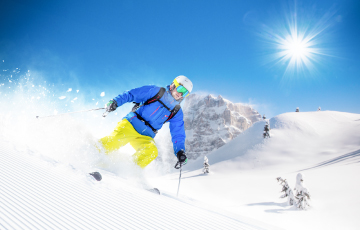
Speed, exhilaration, clean mountain air - what's not to love about an adrenaline-filled ski vacation?
However, skiing carries inherent risks, including the potential for collisions and falls that can lead to injuries. This is precisely why obtaining appropriate travel insurance is crucial, ensuring you're protected both on and off the pistes. Ski travel insurance, often referred to as winter sports insurance, offers coverage tailored to the unique dangers of skiing and snowboarding trips. This article serves as your guide to compare ski travel insurance, offering detailed comparisons between leading providers to ensure you're well-protected on the next ski trips.

Ski travel insurance is a advisable choice for your ski experiences
1. What is ski travel insurance?
Ski Travel Insurance is a specialized form of travel insurance designed specifically to address the unique hazards of skiing and snowboarding vacations.
This includes coverage for typical incidents that skiers and snowboarders may encounter on the slopes, like falls and collisions, along with the related medical expenses. It also includes provisions for mountain rescue operations, medical emergencies, and repatriation. Additionally, it covers your ski and snowboard gear.
With the appropriate ski and snowboarding travel insurance in place, you can hit the slopes knowing you're fully protected against any mishaps that may occur.
2. Will a standard travel insurance policy cover me for skiing?
A standard travel insurance policy typically does not include coverage for skiing or other winter sports activities, as these are considered higher-risk activities with a greater likelihood of injury. Most standard policies exclude such activities due to the increased risk of accidents and injuries.

Ski Travel Insurance is a specialized form to address the unique of skiing and snowboarding vacations
If you plan on skiing during your trip, you will likely need to purchase a specialized ski travel insurance policy or a winter sports add-on to your existing travel insurance policy. These specialized coverages are designed to handle the specific risks associated with winter sports, including:
- Medical treatment for injuries sustained while skiing or snowboarding
- Rescue and evacuation from the slopes
- Coverage for lost, stolen, or damaged ski equipment
- Reimbursement for prepaid ski passes or rentals in case of piste closure due to weather conditions or other covered reasons
- Liability coverage in case you accidentally injure another person or damage property while skiing
It’s essential to carefully review the terms and conditions of any travel insurance policy to understand what activities are covered and to ensure that it includes specific provisions for skiing if that's part of your travel plans. Always check with your insurance provider to see if additional coverage is needed or available to ensure full protection while you enjoy the slopes.
>>> Read more: Comprehensive Guide to Compare Winter Sports Travel Insurance
3. What’s not covered by ski holiday insurance?
Not all types of skiing are rated equal. Even with ski travel insurance, your policy may not cover:
- Substance Influence: Injuries or accidents that occur while under the influence of drugs or alcohol are not covered.
- Negligence with Equipment: Loss of skiing equipment due to carelessness will not be compensated.
- Disregarding Travel Advisories: Trips made contrary to official government travel warnings are not covered.
- Misuse or Inadequate Safety Equipment: Injuries resulting from improper use of equipment or not using necessary safety gear.
- Engaging in Extreme Sports: Activities like heli-skiing, snowmobiling, off-piste skiing without a guide, and ski touring are generally excluded.
- Participation in Competitive Events: Injuries sustained during competitive or professional winter sports activities are not covered.
- Undisclosed Medical Issues: Pre-existing medical conditions that were not reported when the policy was purchased are excluded.
- Helmet Use: Some insurers in the UK may deny coverage if a helmet was not worn, depending on the terms of the policy.
>> Learn more: Guide for Winter Travel: Is Family Ski Travel Insurance Worth It?
4. What else should I compare ski travel insurance?
When making ski travel insurance comparison, it’s essential to look beyond just the basic coverage and price. You should consider several factors to ensure that the policy you choose fits your specific needs and provides adequate protection on the slopes. Here are some additional considerations to keep in mind:
-
Scope of Coverage
Geographical Limits: Check if the insurance covers all the countries and resorts you plan to visit.
Specific Exclusions: Some policies exclude certain types of skiing, such as off-piste or heli-skiing unless with a guide. Make sure the activities you plan to engage in are covered.
Duration of Coverage: Ensure the policy covers the entire duration of your trip, including travel days.
-
Medical and Emergency Services
Medical Expense Coverage: Verify the limit and extent of medical coverage, ensuring it’s sufficient to cover high medical costs in mountainous regions.
Emergency Evacuation and Rescue: Check whether the policy includes adequate coverage for mountain rescue services, which can be very costly but essential in skiing accidents.
Repatriation: Ensure the policy covers the cost of getting you back home in case of severe injury.
-
Equipment and Personal Belongings
Equipment Coverage: Determine if the policy covers your own ski gear and rented equipment against damage, loss, or theft.
Personal Belongings: Look for coverage that protects other personal items, not just skiing equipment.
-
Liability Insurance
Personal Liability: This is crucial if you accidentally cause injury to another person or damage their property. Check that your policy includes liability coverage.

Ski travel insurance protect travelers against financial losses and unforeseen events
-
Financial Protection
Trip Cancellation and Interruption: Ensure the policy provides compensation for prepaid, non-refundable expenses if you need to cancel or cut your trip short under qualifying circumstances.
Piste Closure: If your trip depends on certain conditions, like adequate snow, some policies offer compensation if pistes are closed due to too little snow or adverse weather conditions.
-
Flexibility and Extensions
Policy Extensions: Some insurers offer the option to extend coverage if your trip lasts longer than planned.
Upgrade Options: Look for policies that allow you to upgrade your coverage for additional activities or increased limits as needed.
-
Customer Service and Support
24/7 Assistance: Since skiing often occurs in different time zones from your home country, ensure that the insurer offers 24/7 assistance for emergencies.
Claims Process: Check how claims are handled by the insurer. A straightforward and quick claims process can significantly reduce stress in the event of an incident.

With 24/07 customer service coverage, you can safely enjoy the trip
-
Price vs. Coverage
Cost Effectiveness: Balance the cost of the policy against the coverage provided. Cheaper policies might not offer adequate protection, which could end up costing more in the event of an accident or loss.
5. How can I get cheap ski travel insurance?
Finding the most cost-effective ski holiday insurance involves several strategies to ensure you're getting good coverage at a reasonable price. Here's how you can go about getting the cheapest ski holiday insurance while still ensuring adequate protection:
-
Compare Ski Holiday Insurance
Start by using comparison websites or directly visiting insurers’ websites to gather quotes. It's essential to compare not just the prices but also what each policy covers. Pay particular attention to the inclusions and exclusions, especially those related to ski-specific risks such as off-piste skiing, equipment cover, and medical evacuation.
-
Consider Optional Extras
Carefully evaluate the necessity of optional extras. While add-ons can significantly increase the protection provided by your policy, they also raise the cost. Only include extras that match the type of skiing activities you plan to do. For example, if you don’t plan on skiing off-piste, you might not need to pay for that extra coverage.
-
Consider Annual Cover
If you’re planning multiple trips within a year, opting for an annual multi-trip travel insurance policy could be more cost-effective than purchasing separate policies for each trip. This is particularly beneficial for avid skiers who hit the slopes more than once a year.
-
Increase Your Excess
Choosing to pay a higher excess (the amount you pay towards a claim) can lower your premium. However, ensure that the excess you agree to is affordable; in the event you need to make a claim, you don’t want the excess to be prohibitively expensive.
-
Group Travel Cover
If you are traveling as part of a group, look into group travel insurance options. Insuring several people under one policy can often be cheaper per person than if each individual bought their insurance separately.
-
Be Mindful of Trip Length
The length of your coverage should precisely match the length of your trip. Paying for more days than you actually ski can unnecessarily increase the cost of your insurance. Similarly, make sure you are covered from the moment you leave until you return home.
Remember, the cheapest policy isn’t always the best travel insurance for ski trip; prioritize finding a balance between cost and coverage to ensure that your winter adventures are both safe and satisfying.
Ski holidays can be thrilling yet unpredictable, and having robust insurance in place means you can enjoy the slopes with peace of mind, knowing you’re protected against a variety of potential disruptions and accidents. Selecting the right ski travel insurance and compare ski travel insurance carefully are crucial steps for any winter sports enthusiast planning to hit the slopes

Let's Travelner Insurance be a trust companion on your trip
FAQs for Ski Travel Insurance
When should I buy ski travel insurance to ensure full protection?
The best time to buy ski travel insurance is as soon as you book your trip. Purchasing your insurance early gives you immediate protection for key situations like trip cancellation, unexpected illness, or bad weather that may force you to delay or cancel your plans. Many travelers don’t realize that ski insurance isn’t just for accidents on the slopes — it also protects the investment you make before you even travel.
Buying early also ensures that your winter sports coverage is active throughout your entire journey. Given that skiing can be described as a high-risk activity, the last-minute insurance purchases can only be of help in restricting your benefits, particularly on the pre-trip issues or emergencies that arise before departure. Your medical cover, equipment protection, and personal liability will be some of the things you will want before you get to the resort.
If you’re traveling during peak ski season, purchasing insurance in advance is even more important because weather disruptions, flight delays, and crowded resorts are common.
In short, don’t wait until you’re packing your skis—secure your ski travel insurance right after booking your flights and accommodations. This will ensure that you will spend your ski holiday in perfect peace of mind, as you are fully insured from the start to the end.
What types of accidents or incidents does ski insurance typically cover?
Ski insurance covers are created to safeguard you against the special dangers that accompany your visit to the slopes. Whether you are an amateur skier or a professional one, accidents may occur at any moment, and the proper insurance is the thing that will allow you to spend your vacation calmly.
Most ski insurance policies cover medical emergencies, including injuries from falls, collisions, or accidents caused by icy or unpredictable terrain. This often includes hospital treatment, emergency medical evacuation, and even rescue services if you’re injured in a remote area. Many plans also cover ski equipment damage, loss, or theft, which is especially helpful since gear can be expensive to replace.
Another important feature is trip interruption or cancellation. In case of bad weather, closed slopes, or personal emergencies requiring you to adjust your plans, your policy will cover the nonrefundable expenses. Personal liability cover is also typically a part of ski insurance, which covers you in case an accident occurs where someone gets hurt by you or their property is damaged during skiing.
Some policies even offer extras like piste closure compensation or avalanche coverage.
Overall, ski insurance helps you stay protected from the most common winter-sports risks — so you can focus on enjoying the snow instead of worrying about what might go wrong.
What risks are NOT covered by ski holiday insurance?
Ski holiday insurance has a lot of coverage on the slopes; however, it is imperative to understand that not all is covered. The majority of policies cover medical crises, equipment, and canceling trips, although some risks tend to be left out.
For example, many insurers do not cover skiing while under the influence of alcohol or drugs, as this is considered high-risk behavior. Off-piste skiing without a licensed guide is also commonly excluded unless you buy a special add-on. Some policies won’t cover professional or competitive skiing, so check carefully if you’re participating in races or training events.
Also, the pre-existing medical conditions are not necessarily covered, unless stated and approved beforehand. The destruction of equipment through normal wear and tear and through irresponsible handling is also usually not covered.
What optional add-ons should I consider for ski travel insurance?
When planning a ski holiday, choosing the right optional add-ons for your travel insurance can make a huge difference in how protected you feel on the slopes. Skiing is a sport that is associated with special risks, and having additional cover is a sure way of being prepared to tackle anything that winter can bring.
One of the most important add-ons is winter sports coverage, which includes protection for skiing, snowboarding, and other high-risk activities. This add-on typically covers injuries, emergency medical care, and rescue services. If you’re bringing your own equipment, consider ski equipment coverage to protect against loss, damage, or theft. For even more peace of mind, trip cancellation or interruption coverage is a smart choice — especially since weather conditions can change quickly in ski destinations.
When you want to go off-piste or go with a guide, be sure that you have off-piste coverage in your policy because most of the standard policies do not cover it. These are optional add-ons that give you the comfort to enjoy your ski trip knowing that you are all covered.
Does group ski travel insurance reduce costs for families or friends?
Yes—group ski travel insurance can be used in many cases to save money for families or groups of friends intending to spend a winter vacation. When you purchase insurance on a group basis, most of the insurance companies have a package rate or even a discounted price as opposed to buying a separate policy. This can help to make your skiing trip cheaper and, at the same time, provide everybody with the cover they require on the slopes.
Group ski insurance also keeps things simple. Instead of managing multiple plans, you can handle coverage for everyone under one policy, making it easier to coordinate claims, updates, and documents. It’s especially helpful for families with kids or groups traveling with shared ski equipment, as some plans also cover equipment damage, trip cancellations, and medical emergencies.
Most importantly, choosing a group plan ensures that everyone in the group receives equal protection during the trip — giving you peace of mind to enjoy the adventure together.
Conclusion
If you are looking for ski travel insurance, you can choose Travelner Insurance. We are a global travel insurance company providing a diverse plans suite for your requirement. In addition, we have 24/07 customer service to support you any time of the day for any concerns. Let’s start your journey with Travelner Insurance!
Explore tailored travel insurance and protect your trip now!




Related articles

 Mar 19, 2025
Best summer weekend getaways 2025: Top 3 must-visit destinations
Mar 19, 2025
Top destinations for a 14-Day summer vacation: The ultimate guide to Adventure, Nature & Culture

Mar 19, 2025
Top 3 must-visit locations for a 7-Day summer adventure: From exotic beaches to cultural marvels

Mar 19, 2025