- Blog
- Travel tips and safety
- Monsoon Season in Asia: What Travelers Need to Know
Monsoon Season in Asia: What Travelers Need to Know
Traveling in Asia offers an incredible experience, with rich cultural diversity, stunning landscapes, and unforgettable moments. Nevertheless, timing is a very important factor in determining your path. One important factor travelers should understand is the monsoon season in Asia, which significantly influences weather patterns, transportation, health conditions, and overall travel experiences across the continent.
This guide is designed to help travelers understand how monsoons work, when they occur in different regions, how they affect travel plans, and how to prepare properly--including protecting your trip with Travelner Insurance.
What Is the Monsoon Season?
Monsoon is not merely heavy rains. It is a large-scale wind system that changes direction seasonally, bringing significant rainfall to many parts of Asia. These seasonal winds are essential in agriculture, water, and ecosystems on the continent.
The monsoon season in Asia is typically driven by two major wind patterns:
- The Southwest Monsoon, which brings moist air and rainfall from the Indian Ocean
- The Northeast Monsoon, which affects parts of East and Southeast Asia later in the year
Monsoons are vital to life and crop growing, but they may pose a problem to travellers, such as flooding, delays in transportation, and access to isolated places.
When Is the Monsoon Season in Asia?
In general, the rainy season across much of Asia occurs between May and October, though the exact timing varies significantly by region. Some areas experience intense rainfall for several months, while others have shorter but heavier bursts of rain.
Understanding the monsoon season in Asia helps travelers decide whether to avoid certain regions, change their plans, or take this opportunity to take advantage of lower prices during the low season.
Monsoon Season by Region
South Asia: India, Sri Lanka, Nepal, Bangladesh
South Asia experiences one of the strongest monsoon systems in the world. The rainy season typically begins in late May or early June and lasts until September.
During this time, coastal regions and lowlands may experience heavy rainfall and flooding, while mountainous areas can face landslides. With that being said, monsoon rains also provide picturesque scenery and lower temperatures. Hill stations, cultural cities, and wellness retreats are still appealing as long as they are planned well.
For travelers, the monsoon season in Asia is most impactful in South Asia due to the sheer intensity and scale of rainfall.
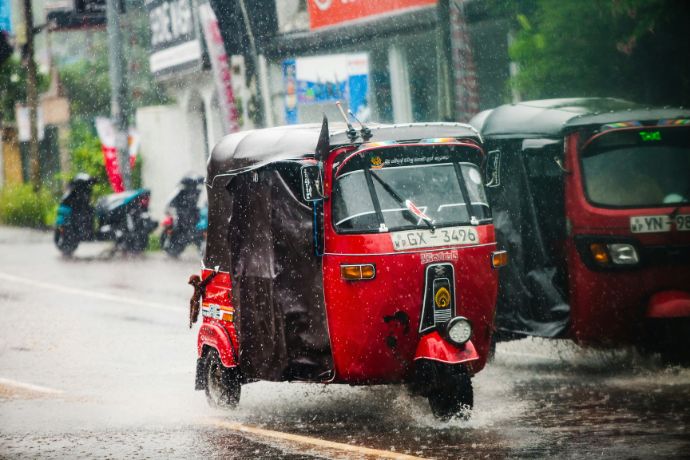 Rainy season, Sri Lanka
Southeast Asia: Thailand, Vietnam, Malaysia, Indonesia
The monsoon season in Southeast Asia varies by country but generally runs from May to October. Rainfall often comes in short, intense bursts rather than all-day downpours, especially in urban areas.
Beach resorts can get turbulent, but cities such as Bangkok, Ho Chi Minh City, and the Malaysian city of Kuala Lumpur are available. Lots of travelers prefer to travel during this time because of cheaper hotel rates and reduced congestion, in particular where food, culture, and indoor attractions are of concern.
Knowing the regional variations will be crucial in the process of maneuvering the monsoon season in Asia since situations may vary radically across countries.
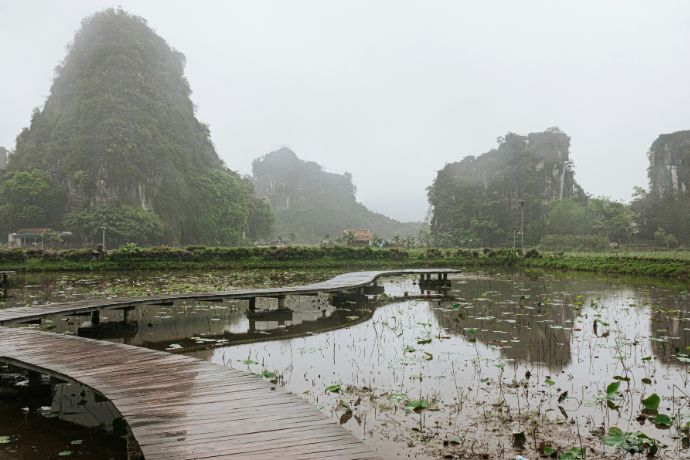 Ninh Binh, Vietnam
East Asia: China, Japan, South Korea
The monsoon season east asia is typically shorter and more predictable than in South or Southeast Asia. Known as Tsuyu in Japan and Meiyu in China, this rainy period usually occurs between June and early July.
Rainfall is generally moderate, and big cities are functioning normally. Cultural attractions can be enjoyed by the travelers, but outdoor activities might require flexibility.
This regional variation shows that the monsoon season in Asia does not affect all destinations equally.
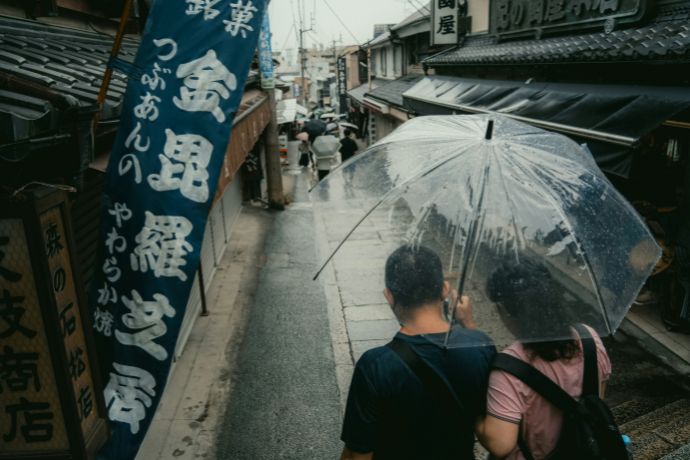 Couple walks down rainy street with umbrellas
Pros and Cons of Traveling During Monsoon Season
Advantages of Monsoon Travel
- Fewer tourists at major attractions
- Lower prices on flights and accommodation
- Lush landscapes and dramatic scenery
- Authentic local experiences without crowds
For experienced travelers, the rainy season can be a rewarding time to explore Asia with the right expectations.
Disadvantages to Consider
- Flight delays and transportation disruptions
- Flooding in low-lying or rural areas
- Limited access to beaches or islands
- Increased humidity and health risks
These factors are why understanding the monsoon season in Asia is critical before booking your trip.
Best Places to Visit During the Monsoon Season
All destinations do not receive the same amount of seasonal rains. Some regions are comparatively dry or even favorable to the climate.
Popular monsoon-friendly destinations include:
- Northern Thailand and cultural cities
- Central Vietnam (depending on month)
- Japan during early summer
- Urban hubs like Singapore and Seoul
Asian cities with good infrastructure are usually more appropriate for travel during monsoon conditions.
Travel Safety Tips During Monsoon Season
Traveling during the rainy season requires additional preparation and caution.
Key safety tips include:
- Monitor weather forecasts daily
- Avoid flood-prone or landslide-risk areas
- Use reliable transportation and accommodation
- Keep emergency contacts easily accessible
It is also prudent to allow flexibility in your schedule so that there will be buffer days in case of delay or cancellations.
Health and Weather Risks During Monsoon Travel
Excessive humidity and standing water raise the chances of diseases caused by mosquitoes and food health problems. Prevention strategies that must be observed by the travelers include taking insect repellents, consuming bottled water, and maintaining good hygiene.
Healthcare access may be limited in rural areas during severe weather, making preparation especially important when traveling during the monsoon season in Asia.
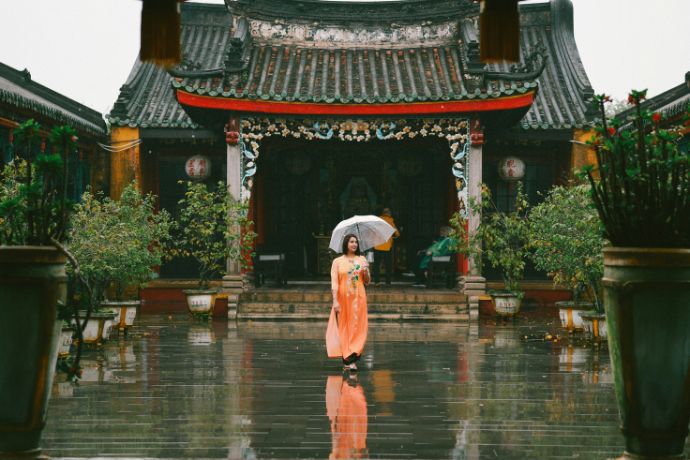 Woman with umbrella in front of traditional building
Why Travel Insurance Is Essential During Monsoon Season
Unpredictable weather can disrupt even the best-planned trips. During the monsoon months, flight cancellations, road closures, medical emergencies, and accommodation problems are more frequent.
Travelner Insurance provides comprehensive coverage for:
- Trip delays and cancellations due to weather
- Emergency medical treatment and evacuation
- Lost or delayed baggage
- 24/7 travel assistance
With Travelner Insurance, travelers can feel more confident knowing they are protected against common monsoon-related disruptions. This allows them to focus on enjoying their journey without worrying about unexpected expenses.
Conclusion: Travel Smart During the Monsoon Season
Monsoon is a characteristic of Asian traveling, which defines landscapes, cultures, and experiences. With good planning, flexibility, and awareness, a season of traveling can be safe and rewarding.
Before traveling during the monsoon season in Asia, consider protecting your trip with reliable travel insurance. Travelner Insurance offers flexible plans designed to cover unexpected disruptions, medical emergencies, and travel delays—helping you explore Asia with greater peace of mind.
If approached wisely, the monsoon season is not something to fear but a unique opportunity to experience Asia in a different, more authentic light.
Explore tailored travel insurance and protect your trip now!




Related articles

 May 26, 2026
US Travel Risk: What Travelers Should Know Before Visiting the United States

May 26, 2026
Travel Risk Italy: What Travelers Should Know Before Visiting
May 25, 2026
Travel Risk Australia: What Travelers Need to Know Before Your Trip

May 10, 2026