- Blog
- Travel tips and safety
- Travel Risk Italy: What Travelers Should Know Before Visiting
Travel Risk Italy: What Travelers Should Know Before Visiting
Italy is generally considered a safe destination for international travelers. However, common risks such as pickpocketing, transportation strikes, extreme summer heat, and unexpected medical expenses can disrupt a trip if travelers are unprepared.
Understanding potential travel risks helps travelers feel more confident during their trip. If you’re planning a luxury vacation, solo backpacking trip, honeymoon, or family holiday, learning about Italy travel risks can help you avoid unnecessary stress and prepare for emerhttps://www.travelnerinsurance.com/gencies before you leave.
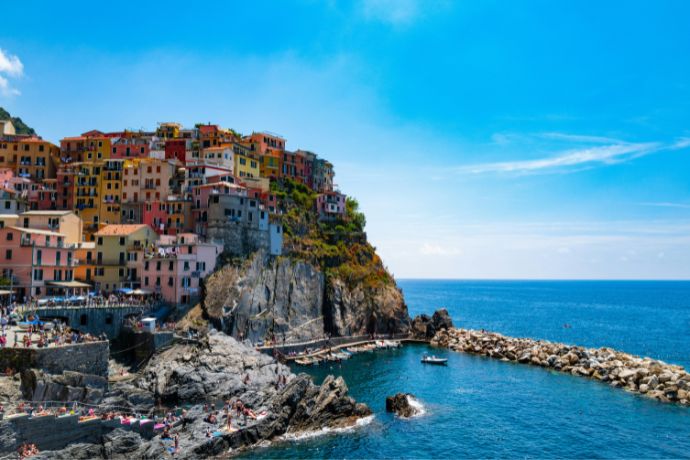 Cinque Terre: the home of color
Understanding Italy Travel Risks Before Your Trip
Travel risk in Italy encompasses the potential safety, health, transportation, financial, and environmental hazards that travelers may encounter during their visit to the country. The risks are generally manageable, but it’s important to be prepared for them.
Italy has modern infrastructure, good medical facilities, and world-famous tourist services. But popular tourist spots also attract petty criminals and opportunistic scams. Transportation strikes and seasonal overcrowding can also disrupt travel plans.
The most common concerns related to travel risk in Italy include:
- Pickpocketing in crowded tourist areas
- Transportation delays and strikes
- Heatwaves during summer
- Flooding in certain regions
- Expensive emergency medical treatment
- Tourist scams
- Road safety challenges
- Lost passports or stolen valuables
Knowing these risks is no reason not to go to Italy. Instead, it helps travelers to prepare properly and to avoid potential problems during their vacation.
Is Italy Safe for International Travelers?
Yes. Italy is generally safe for tourists, and most visits are trouble-free. The most common issues reported by travelers are pickpocketing, scams targeting tourists, transportation disruptions, and seasonal weather-related challenges rather than violent crime.
Still, travelers should not ignore travel risk italy, especially in crowded destinations where petty theft is common. Tourist-heavy areas often become targets for professional pickpocket groups.
Most people who look up Italy's travel risk level are concerned about public safety. Most incidents are petty theft, not dangerous crime, in fact. Those who are careful and take basic precautions usually have a smooth ride all over the country.
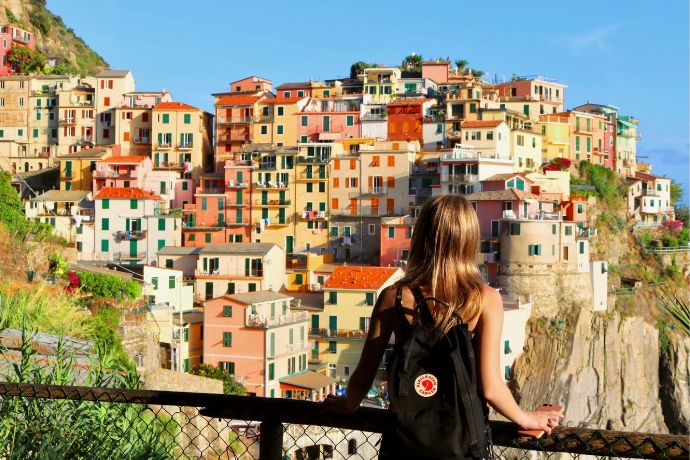 Travel to the city of Riomaggiore, Italy
Pickpocketing and Theft Risks in Italy
Tourist Hotspots and Crowded Areas
One of the biggest aspects of Italian travel risks is pickpocketing. Popular attractions such as:
- The Colosseum
- Vatican City
- Venice canals
- Milan Central Station
- Naples train terminals
It often attracts thieves looking for distracted tourists.
Pickpockets commonly target:
- Open backpacks
- Phones placed on restaurant tables
- Wallets in back pockets
- Unsecured luggage
Travelers should remain especially cautious on crowded buses, trains, and metro systems.
How to Reduce Theft Risks
Simple precautions can dramatically reduce the likelihood of theft:
- Use anti-theft bags
- Keep valuables close to your body
- Avoid carrying large amounts of cash
- Store passports securely
- Stay alert in crowded tourist zones
Being aware of Italy travel risks concerning theft is especially important for a first-time visitor who is unaware of Europe’s top tourist destinations.
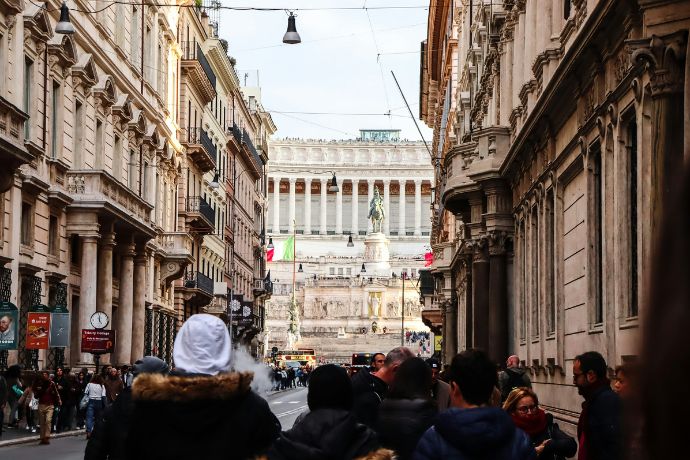 The crowd of people in Rome, Italy
Tourist Scams Travelers Should Know
Like many major tourist destinations, Italy has various scams targeting international travelers.
Common scams include:
- Fake petitions requesting donations
- Unofficial taxi overcharging
- Restaurant overbilling
- Fake “free” friendship bracelets
- ATM skimming devices
- Unlicensed tour guides
Most scams don't involve violence but still cause frustration and financial loss. Tourists are advised to use official transport and book with reputable companies whenever possible.
Transportation Risks in Italy
Train Delays and Transportation Strikes
Transportation strikes are relatively common in Italy and can affect:
- Trains
- Airports
- Public buses
- Metro systems
Strikes can disrupt schedules on short notice. Travelers should check local news and be flexible with their itineraries when possible.
Transportation disruptions are a big part of travel risk in Italy, especially for people traveling between different cities.
Driving Risks
Driving in Italy can be stressful for international visitors, particularly around large cities or historic towns with narrow roads.
Potential driving challenges include:
- Aggressive local driving styles
- Complicated roundabouts
- Restricted traffic zones (ZTL)
- Limited parking availability
Tourists renting vehicles should familiarize themselves with local traffic rules before driving.
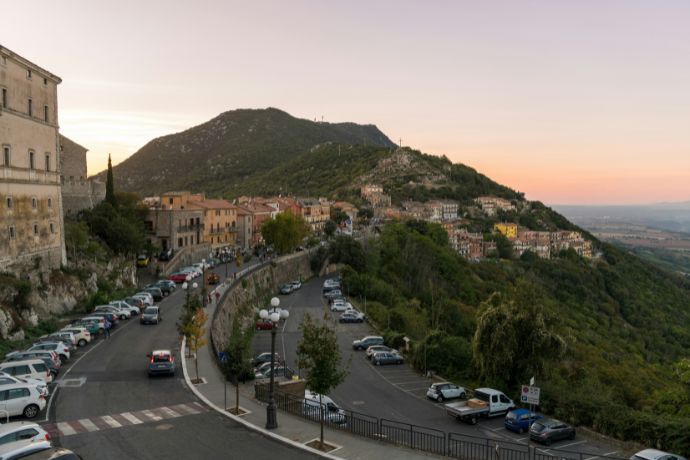 Sant’Oreste town in Lazio, distant 50km from Rome, on top of Monte Soratte, Italy.
Scooter and Motorcycle Accidents
Scooters are often rented by tourists, particularly in coastal areas. But inexperienced riders may underestimate the road conditions and traffic patterns.
Wearing helmets and taking insurance cover for vehicle accidents is strongly recommended.
Natural Disaster Risks in Italy
Earthquakes
Italy is sometimes affected by seismic activity, especially in the central and southern regions. While major earthquakes are uncommon for tourists, travelers should still understand local emergency procedures.
Hotels and accommodations generally follow strict building safety regulations.
Flooding in Venice and Coastal Areas
Venice is occasionally flooded during periods of particularly high tides. Seasonal storms could also impact coastal destinations and transport networks.
Travelers visiting during rainy seasons should:
- Monitor weather forecasts
- Allow flexibility in travel schedules
- Purchase insurance for trip interruptions
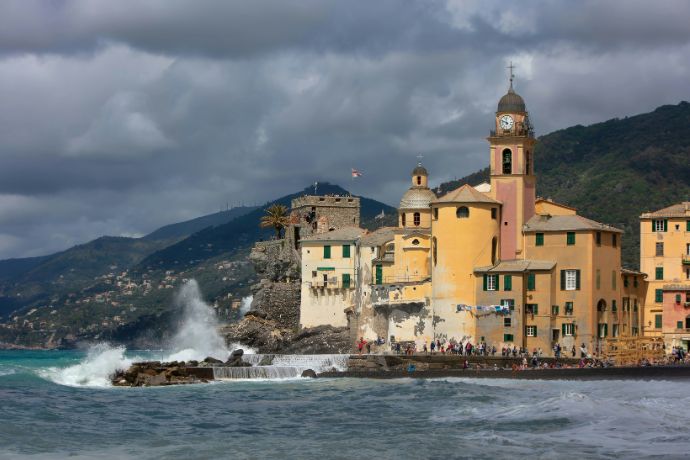 Seawave crashing at houses, Camogli, Italy
Summer Heatwaves
Extreme summer temperatures have become increasingly common across Europe, including Italy. Heat exhaustion and dehydration may also affect travelers who spend long periods outdoors in a city.
To reduce Italy travel risks during summer:
- Stay hydrated
- Avoid excessive midday walking
- Wear lightweight clothing
- Take breaks in shaded areas
Health Risks Travelers Should Know
Medical Costs for Tourists
Healthcare in Italy is of a high standard, but treatment costs for non-EU travelers can be expensive without insurance coverage.
Emergency expenses may include:
- Ambulance transportation
- Emergency room visits
- Hospital stays
- Prescription medication
- Specialist consultations
This is why many travelers purchase comprehensive travel insurance for Italy before their departure, since medical emergencies abroad can be financially crippling.
Travelner Insurance provides flexible travel protection plans to assist travelers in coping with unexpected healthcare costs, trip disruptions, and emergency assistance while traveling in Italy.
Food and Water Safety
Italy has very good standards of food safety. Tap water is safe to drink in general, and food hygiene regulations are very strict.
That said, travelers with allergies or dietary restrictions should still make sure they communicate clearly when eating at local restaurants.
Prescription Medication Preparation
Visitors bringing prescription medications should:
- Carry original prescriptions
- Pack medications in original containers
- Research Italian medication regulations before departure
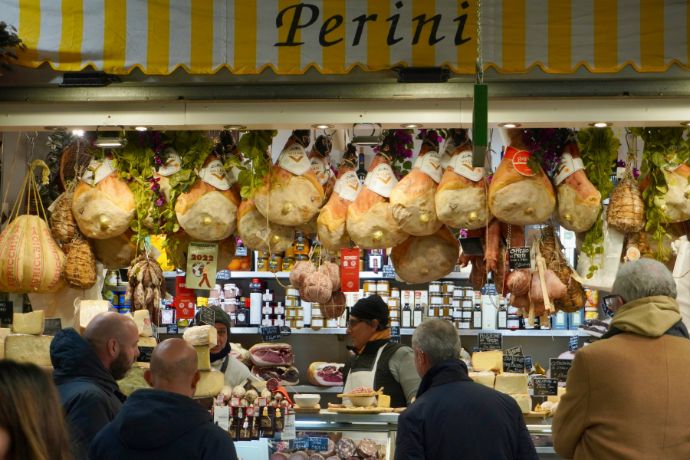 Food, people, community, and Italy in the Metropolitan City of Florence, Italy
Solo Travel Risk Italy
Solo travel remains extremely popular throughout Italy, particularly among backpackers and young travelers.
Solo Female Travelers
Italy is generally considered safe for solo female tourists. However, travelers should still take standard safety precautions, especially at night in crowded nightlife areas.
Recommended safety practices include:
- Using licensed taxis
- Avoiding isolated streets late at night
- Sharing travel plans with trusted contacts
- Staying in reputable accommodations
Backpacker Safety
Budget travelers sometimes face higher exposure to travel risk italy because they often rely on crowded transportation, shared accommodations, and overnight travel routes.
Backpackers should:
- Secure valuables in hostels
- Use luggage locks
- Remain cautious in train stations
- Avoid displaying expensive electronics openly
Seasonal Travel Risks in Italy
Peak Tourist Season Challenges
Summer tourism creates additional travel risks in Italy due to:
- Overcrowding
- Long attraction queues
- Increased theft opportunities
- Transportation congestion
- Higher accommodation costs
Popular attractions such as the Vatican Museums and Amalfi Coast can become extremely crowded during peak months.
Winter Travel Risks
Northern Italy experiences colder conditions during winter, particularly in mountainous areas. Snow and ice may affect transportation and hiking routes.
Travelers participating in skiing or winter sports should ensure their insurance policy covers adventure-related activities.
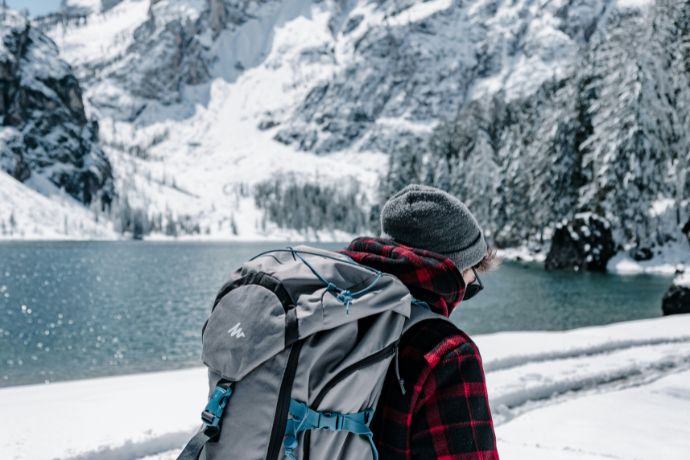 The man walking near the lake during winter, Lago di Braies, BZ, Italy
Beach and Outdoor Activity Risks
Italy’s coastline attracts millions of visitors every year, but outdoor adventures can still involve risks.
Coastal Swimming Risks
Strong currents and rough waters occasionally affect certain beaches. Travelers should:
- Swim only in designated safe areas
- Follow lifeguard instructions
- Avoid swimming during storms
Hiking Risks
Italy offers incredible hiking opportunities in:
- The Dolomites
- Cinque Terre
- Amalfi Coast
- Tuscany countryside
However, hikers should monitor weather conditions carefully and avoid difficult trails without proper preparation.
Adventure travelers researching italy high risk travel situations should pay special attention to mountain hiking and outdoor sports safety.
Financial and Digital Risks
Credit Card Fraud
Tourists occasionally become victims of ATM scams or card skimming devices. To reduce financial risks:
- Use ATMs inside banks
- Monitor transactions regularly
- Avoid carrying multiple credit cards
Public Wi-Fi Risks
Free public Wi-Fi networks can expose travelers to cybersecurity threats. Using secure networks and VPN protection can help safeguard sensitive information.
Why Travel Insurance Matters for Italy
Travel insurance can help travelers prepare for certain unexpected expenses and disruptions, depending on the policy purchased. Before buying coverage, travelers should review policy terms, exclusions, and eligibility requirements carefully.
A comprehensive policy may help cover:
- Medical emergencies
- Hospital stays
- Lost baggage
- Trip cancellations
- Flight delays
- Theft-related losses
- Emergency evacuation
Understanding travel risk for italy also means recognizing that even relatively safe countries can still produce costly travel disruptions.
Travelner Insurance provides travel protection solutions designed for modern travelers visiting destinations like Italy. Flexible coverage options can help travelers enjoy greater confidence and financial protection throughout their trip.
Whether you are planning a romantic getaway in Venice, exploring ancient Roman landmarks, or hiking through northern Italy, reliable insurance coverage can provide valuable peace of mind.
Essential Safety Tips Before Traveling to Italy
Travelers can significantly reduce Italy travel risks by following a few simple precautions before and during their trip.
Before Departure
- Purchase comprehensive travel insurance
- Keep copies of important documents
- Monitor weather conditions
- Research transportation schedules
- Notify banks about international travel
During Your Trip
- Stay aware in crowded tourist areas
- Avoid displaying valuables openly
- Use official transportation services
- Monitor local travel alerts
- Keep emergency contacts accessible
These practical habits can help travelers avoid many common problems.
Who Faces Higher Travel Risks in Italy?
Travel risks vary depending on travel style. Backpackers using shared accommodations, travelers carrying expensive equipment, and visitors participating in outdoor activities may face different types of risk than leisure tourists following standard itineraries.
Higher-risk travelers may include:
- Backpackers
- Adventure travelers
- Elderly tourists
- Luxury travelers carrying valuables
- First-time international visitors
- Solo travelers
Understanding personal risk factors helps travelers choose appropriate insurance coverage and prepare more effectively.
Final Thoughts
Italy is still one of the most memorable places to visit in the world. The country offers something for every traveler, from ancient architecture and beautiful coastlines to amazing food and cultural experiences. But knowing the risks of traveling in Italy is important to avoid unnecessary stress and be prepared for your trip.
Most travel problems in Italy are manageable with proper planning, awareness, and common sense. Travelers who remain cautious in crowded areas, prepare for transportation disruptions, and secure comprehensive travel insurance are far more likely to enjoy a safe and memorable trip.
As international tourism continues to expand, awareness of travel risk in Italy is increasingly vital for travelers today. Travelner Insurance offers flexible travel protection plans designed to help travelers feel more confident exploring Italy by providing support for unexpected emergencies, medical concerns, and travel disruptions.
Explore tailored travel insurance and protect your trip now!




Related articles

 May 26, 2026
US Travel Risk: What Travelers Should Know Before Visiting the United States
May 25, 2026
Travel Risk Australia: What Travelers Need to Know Before Your Trip

May 10, 2026
What to Do If You Get Sick While Traveling: A Complete Guide for Travelers
May 10, 2026