- Blog
- Travel tips and safety
- Travel Disasters: Common Risks and How to Prepare for the Unexpected
Travel Disasters: Common Risks and How to Prepare for the Unexpected
Travel often comes with unexpected risks, from flight disruptions to medical emergencies abroad. There are always going to be things that come up that you didn't plan for, like flight cancellations, medical emergencies, or even natural disasters. Every traveler needs to know about travel disasters and how to get ready for them.
In this complete guide, we look at the most common travel risks, why they happen, and how you can protect yourself by planning and getting help from a trusted source like Travelner Insurance.
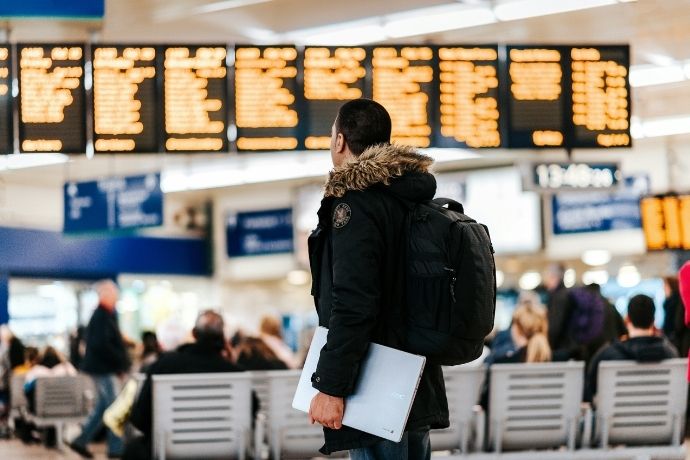 How to avoid Travel Disasters
What Are Travel Disasters?
Travel disasters are things that happen unexpectedly and ruin or make your trip worse. These issues can range from minor annoyances to major crises that require immediate attention.
They typically fall into several categories:
- Transportation issues (delays, cancellations)
- Health-related emergencies
- Natural disasters
- Theft or loss of belongings
These things can happen to even the most experienced travelers. Knowing the risks of traveling helps you get ready for possible problems.
Most Common Travel Disasters Travelers Face
Flight Cancellations and Delays
One of the most common travel disasters is when flights are delayed or canceled. Flights can be delayed or canceled because of bad weather, technical problems, or airline strikes.
These disruptions can:
- Affect connecting flights
- Make hotel reservations go wrong
- Lead to additional expenses
Lost or Delayed Luggage
Getting to your destination without your luggage is one of the most frustrating travel experiences. While this can leave you without essential items like clothing or personal belongings, important documents such as passports, visas, and valuables should always be kept in your carry-on bag.
Airlines are not responsible for critical items placed in checked luggage, so proper packing is essential to minimize risk.
Medical Emergencies Abroad
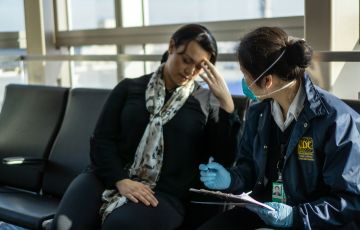
Health-related incidents are among the most serious travel disasters. It can be hard to get medical care in a foreign country if you get sick or hurt because of language barriers and unfamiliar healthcare systems.
When you travel abroad, you may be exposed to new places, foods, and health risks that your body isn't used to.
Natural Disasters
Earthquakes, floods, hurricanes, and wildfires can make it hard to travel and put your safety at risk. These unexpected events are some of the worst things that can happen to travelers.
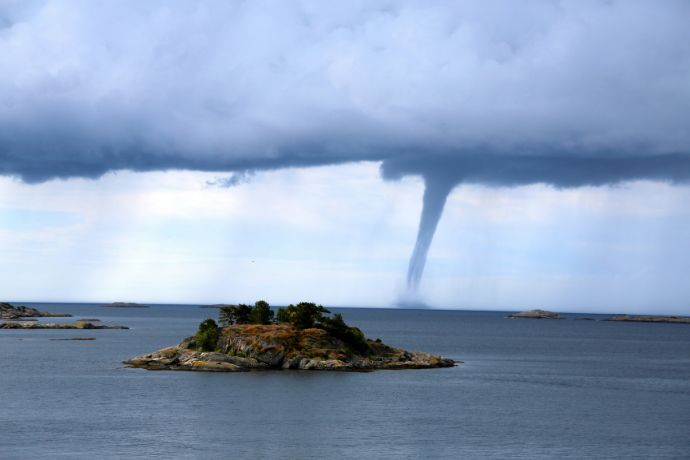 A large tornado is coming out of the sky
Theft and Loss of Personal Belongings
Theft and pickpocketing happen a lot in busy tourist areas. It can be a big deal if you lose your phone, wallet, or passport.
This highlights the importance of understanding international travel risks and taking preventive measures.
Why Travel Disasters Happen
There are several reasons why travel disasters occur:
- Lack of preparation
- Insufficient research about the destination
- Overconfidence or carelessness
- No backup plans
People who travel often don't think about the risks of going abroad because they think everything will go as planned. But even small mistakes can cause big problems.
How to Prepare for Travel Disasters
Research Your Destination Thoroughly
The first step in preventing travel disasters is to familiarize yourself with your destination. Research:
- Conditions of the weather
- Stability in politics
- Advice on health
- Local laws and customs
This is very important when going to places that are thought to be dangerous for travelers.
Create a Travel Emergency Plan
Prepare for emergencies by:
- Listing emergency contacts
- Knowing the location of embassies and hospitals
- Having backup accommodation and transport options
Planning helps you deal with unexpected situations with less stress.
Keep Copies of Important Documents
Always carry both physical and digital copies of:
- Visa and passport
- Documents for travel insurance
- Confirmations for flights and hotels
This makes sure you're ready if you lose the original documents.
Health and Safety Preparation
Pack a Travel Health Kit
A health kit with everything you need can help you deal with small health problems:
- Prescription medications
- Pain relievers
- First aid supplies
- Sanitizers and masks
Being ready lessens the effects of possible travel disasters.
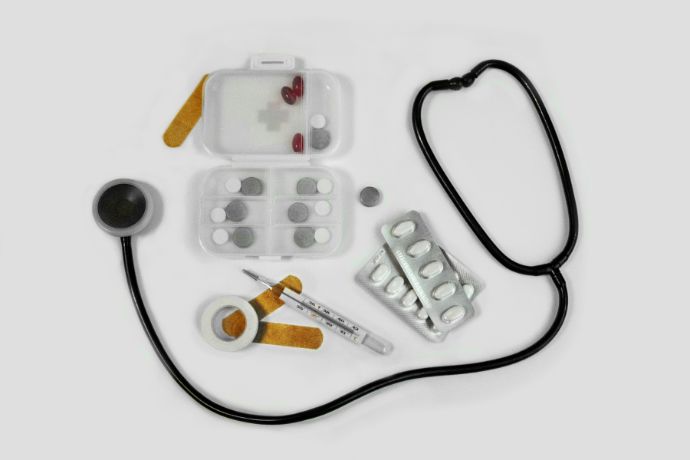 Travel health kit for travelers
Stay Aware and Alert
Situational awareness is key to avoiding trouble:
- Stay away from dangerous places
- Keep your valuables safe
- Follow local advice
Knowing about possible risks of traveling abroad can help you stay safe while you're on your trip.
What to Do When Travel Disasters Occur
Handling Flight Disruptions
If your flight is delayed or canceled:
- Contact the airline immediately for rebooking options
- Ask about alternative routes or the next available flight
- Inquire about compensation if applicable
It is important to note that compensation is not guaranteed and depends on the cause of the disruption and local aviation regulations. For example, disruptions caused by severe weather or air traffic control issues are typically not eligible for compensation, while airline-related issues may qualify under certain conditions.
Acting quickly and understanding your passenger rights can help minimize inconvenience and unexpected costs.
Dealing with Lost Luggage
In case of lost or delayed baggage:
- Report the issue immediately at the airline’s baggage service desk at the airport
- File a Property Irregularity Report (PIR) — this is required for tracking and compensation
- Keep your baggage tag and claim reference number
- Provide accurate contact details for delivery updates
- Track your luggage using the airline’s online system
Without a PIR report, it may be difficult to claim compensation from the airline or your travel insurance provider.
If your baggage is delayed, keep receipts for essential items you purchase, as these may be reimbursed depending on your insurance policy.
Managing Medical Emergencies
If you experience a medical issue:
- Seek immediate medical attention
- Get in touch with your insurance company
- Keep all medical records and receipts
Having help is essential in a medical emergency while traveling.
Responding to Natural Disasters
During natural disasters:
- Follow local authorities’ instructions
- Go to safe places
- Get your news from reliable sources
Following local emergency guidance and monitoring official updates can help travelers respond more safely during disruptions.
Visa and Immigration Issues
One of the most stressful travel disasters is being denied entry at the airport or border. This can happen due to missing documents, incorrect visa types, or changes in immigration policies.
In recent years, stricter border controls and evolving visa regulations have made this risk more common for international travelers.
To avoid this:
- Double-check visa requirements before departure
- Prepare all supporting documents
- Keep digital and printed copies of your paperwork
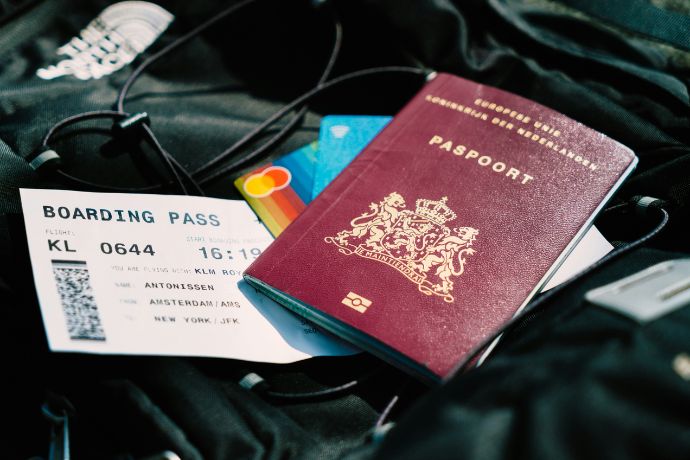 Prepare all documents for your trip
Airline Overbooking and Staff Shortages
Airlines often sell more tickets than available seats, which can lead to passengers being denied boarding. In addition, post-pandemic staffing shortages have increased flight disruptions worldwide.
These issues can result in:
- Being bumped from your flight
- Long delays without clear communication
- Unexpected overnight stays
Understanding your passenger rights and having travel insurance can help reduce the impact.
Travel Scams and Tourist Fraud
Tourists are common targets for scams such as fake taxi services, overcharging, and fraudulent bookings.
In popular destinations, travelers may encounter:
- Fake tour operators
- Pickpocketing schemes
- Payment fraud in unfamiliar environments
Staying alert and using trusted platforms can help you avoid these situations.
Cybersecurity Risks While Traveling
Using public Wi-Fi networks at airports, hotels, or cafes can expose travelers to cyber threats such as data theft and credit card fraud.
To protect yourself:
- Avoid accessing sensitive accounts on public networks
- Use a VPN when possible
- Enable alerts for your bank transactions
Digital risks are increasingly becoming a modern form of travel disaster.
Travel Insurance – Your Safety Net Against Travel Disasters
Why Travel Insurance Is Essential
Travel insurance can provide financial protection for situations such as medical emergencies, trip cancellations, and lost luggage. However, coverage is not unlimited and depends on the policy terms.
Most insurance plans include exclusions, such as pre-existing medical conditions, high-risk activities, or claims without proper documentation. Travelers should carefully review their policy details to understand what is and is not covered.
- Medical emergencies
- Trip cancellations and interruptions
- Lost or delayed luggage
- Emergency evacuation
Without insurance, these situations can lead to significant financial loss.
What Travelner Insurance Covers
Travelner Insurance is meant to help people who are traveling when things go wrong. With Travelner, you get:
- Comprehensive global medical coverage
- 24/7 emergency assistance
- Coverage for trip disruptions and baggage issues
- Emergency evacuation services
Travelner provides travel protection and support services designed to help travelers manage unexpected disruptions, whether you're dealing with small problems or major travel disasters.
Benefits of Choosing Travelner Insurance
Choosing Travelner Insurance means:
- Peace of mind during your trip
- Provides access to customer support and claims assistance
- Flexible plans for all types of travelers
Having the right insurance can help reduce the financial and logistical impact of unexpected situations.
Real-Life Examples of Travel Disasters
Travel disruptions happen every day, even to experienced travelers. For example, airline strikes across Europe have caused thousands of flight cancellations, leaving passengers stranded for days.
In another common scenario, travelers who fall ill in countries with high medical costs, such as the United States, may face bills of thousands of dollars without proper insurance coverage.
These real-world situations highlight why preparation and financial protection are essential when traveling.
Tips to Avoid Travel Disasters
Follow these tips to lower the chance of having travel problems:
- Make sure to plan your trip well
- Stay up-to-date on your trip destination
- Please ensure you have access to your emergency contacts.
- Don't carry too much cash.
- Always get travel insurance.
Knowing what can go wrong while traveling helps you make better choices and feel more sure of yourself when you travel.
FAQs About Travel Disasters
What are the most common travel disasters?
Flight delays, lost luggage, medical emergencies, theft, and natural disasters are all common travel problems.
How can I prepare for travel emergencies?
Learn about the place you'll be going, make an emergency plan, bring important papers, and buy travel insurance.
Does travel insurance cover travel disasters?
Yes. Travel insurance may provide coverage for eligible travel disruptions, depending on the policy terms and exclusions.
What should I do if I lose my passport abroad?
Contact your country’s embassy immediately, file a report, and follow their instructions to obtain a replacement.
Final Thoughts: Stay Prepared for Travel Disasters
Traveling is a great way to see the world, but it also has its risks. You can avoid unnecessary stress and money loss by learning about and getting ready for travel disasters.
Every step you take, from looking up your destination to getting good travel insurance like Travelner, makes your trip safer and more fun. Getting ready is not just a safety measure; it is the key to feeling good about traveling.
Explore tailored travel insurance and protect your trip now!




Related articles

 May 26, 2026
US Travel Risk: What Travelers Should Know Before Visiting the United States

May 26, 2026
Travel Risk Italy: What Travelers Should Know Before Visiting

May 25, 2026
Travel Risk Australia: What Travelers Need to Know Before Your Trip
May 10, 2026