- Blog
- Travel tips and safety
- US Travel Risk: What Travelers Should Know Before Visiting the United States
US Travel Risk: What Travelers Should Know Before Visiting the United States
With its vibrant cities, stunning national parks, thriving entertainment centers, beautiful beaches, and diverse culture, the United States is still one of the world’s most popular travel destinations, attracting millions of visitors every year. There’s no shortage of places to go—from New York to Los Angeles to Yellowstone to Miami. Understanding the most common travel risks in the United States can help you plan a safer and more enjoyable trip.
Although the US is generally safe for tourists, travelers may still encounter challenges such as expensive medical costs, natural disasters, transportation disruptions, petty crime, or weather-related emergencies. Knowing the potential risks ahead of time helps visitors prepare more effectively and avoid unnecessary stress during their journey.
Whether you're on business trips, family vacations, solo trips, road trips, or outdoor trips, knowing about US travel risks can help you to travel more safely and confidently.
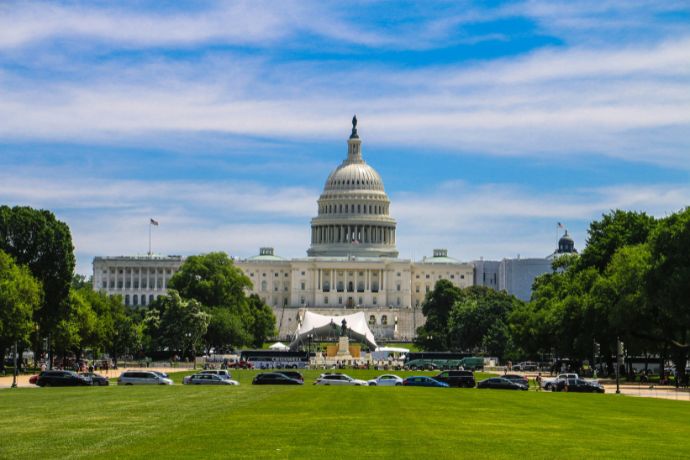 Washington, D.C
Understanding US Travel Risk Before Your Trip
US travel risk refers to the potential safety, financial, environmental and health-related issues travelers may face when visiting the United States. Travel risks can be very different depending on the destination, season, and travel style since the country is very large and geographically diverse.
For example:
- Visitors traveling to Florida during hurricane season may face weather disruptions.
- Travelers exploring California could encounter wildfire risks.
- Tourists visiting major cities may experience pickpocketing or scams.
- Road trippers crossing remote regions may deal with long driving distances and fatigue.
And knowing these differences is important because travel conditions aren't the same everywhere in the US. A journey to Manhattan will present different challenges than a trek through national parks or a drive down desert highways.
Is the United States Safe for International Travelers?
The United States is a safe country for most tourists. It has a developed tourism infrastructure, modern transport systems, and high-quality emergency services. Millions of people travel safely across the country each year.
But it’s still important to understand the US travel risk. Crime rates, weather conditions, and healthcare costs can vary greatly between states and cities.
For many travelers researching the US travel risk level, personal safety is a major concern. In reality, most tourist-related incidents are petty theft, transportation issues, or unexpected medical expenses, not violent crime.
Travelers who remain aware of their surroundings, avoid risky neighborhoods, and follow local safety guidance usually experience very few problems during their trip.
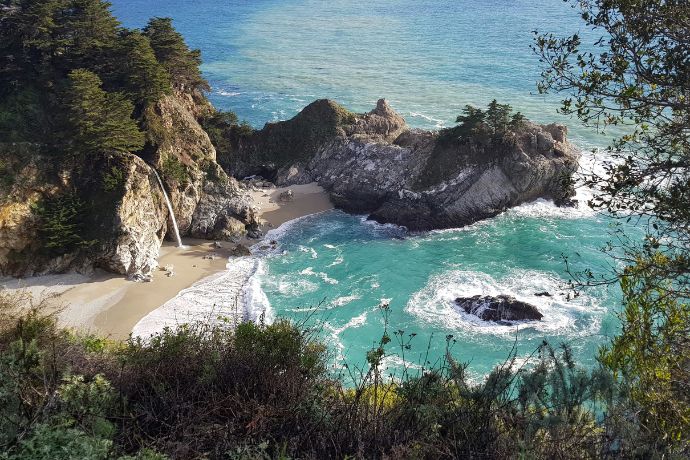 Green trees on a brown sand beach of blue, natural, USA, and ocean waves in the United States
Crime and Personal Safety Risks in the US
Pickpocketing and Theft
Like most major tourist destinations, popular American cities can attract pickpockets and scammers. Crowded areas in:
- New York City
- Las Vegas
- Los Angeles
- Chicago
- Miami
Common theft situations include:
- Unattended luggage
- Phone theft in crowded areas
- Bag snatching
- Car break-ins
- Pickpocketing on public transportation
Travelers can reduce the likelihood of theft by securing valuables and staying alert in crowded tourist areas.
Violent Crime Concerns
Sometimes the international media seem to suggest that the US is dangerous everywhere. The fact is that violent crime is usually concentrated in some neighborhoods, not in the tourist areas.
Visitors should:
- Research local neighborhoods before booking accommodations
- Avoid isolated areas at night
- Use licensed transportation services
- Stay aware in unfamiliar locations
Most tourists never encounter violent crime during their stay in the United States.
Tourist Scams
Scams targeting tourists can occur in busy urban destinations. Common examples include:
- Fake event ticket sellers
- Fraudulent ride-share drivers
- ATM skimming devices
- Credit card fraud
- Fake hotel booking websites
Staying cautious with online payments and using reputable booking platforms can help minimize risks.
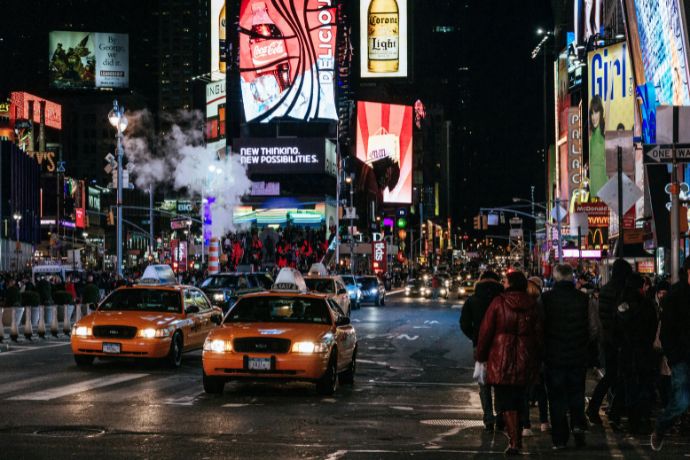 People walking on the street with cars in Times Square in New York, USA
Health Risks and Medical Costs in the United States
Extremely Expensive Healthcare
One of the most important aspects of US travel risk is the high cost of medical care. Healthcare in the United States is one of the most expensive in the world. Even minor medical emergencies can result in unexpectedly high costs for uninsured travelers.
Potential costs may include:
- Ambulance transportation
- Emergency room treatment
- Hospitalization
- Surgery
- Prescription medications
- Specialist consultations
Travelers without insurance could be out thousands of dollars for a short hospital visit. This is why travel insurance is especially important for international visitors to the US.
Travelner Insurance provides flexible travel protection plans that help travelers cover unexpected medical expenses, emergency treatment and travel disruption while visiting the United States.
Prescription Medication Preparation
Travelers carrying prescription medications should:
- Bring medications in original packaging
- Carry copies of prescriptions
- Verify medication regulations before arrival
- Pack extra supplies for long trips
Food and Water Safety
The US generally adheres to high standards of food safety. Tap water is safe to drink in most big cities and tourist areas. But for travelers with allergies or dietary needs, caution should still reign when dining out.
Natural Disaster Risks in the United States
Hurricanes
Hurricanes are one of the major contributors to US travel risk, especially for travelers visiting:
- Florida
- Texas Gulf Coast
- Louisiana
- Carolinas
Hurricane season usually runs from June through November. Severe storms may lead to:
- Flight cancellations
- Hotel evacuations
- Flooding
- Transportation shutdowns
Travelers visiting coastal areas during hurricane season should monitor weather updates carefully.
Wildfires
Many western states, like California, Oregon and Washington, are prone to wildfires during dry seasons. Even travelers who are nowhere near fire zones can experience bad air quality or transportation disruptions.
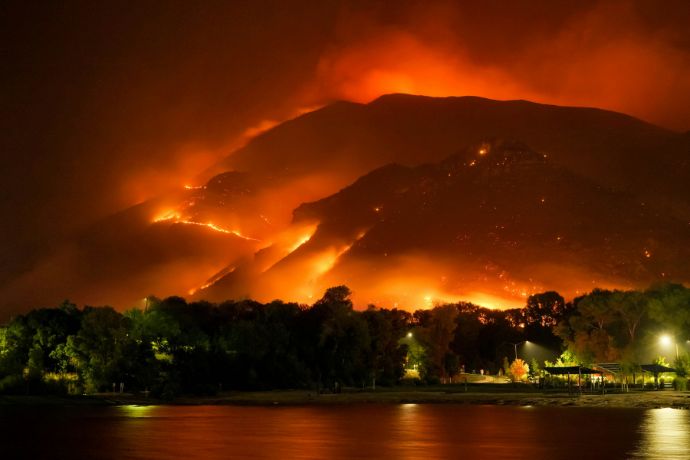 A large fire is burning in the mountains
Tornadoes and Severe Storms
Those tornadoes and severe thunderstorms do happen in the Midwest and southern states at times. Direct impact on tourists is rather rare, but visitors should heed local emergency notices.
Extreme Weather Conditions
Weather conditions in the US can change dramatically depending on location and season. Travelers may face:
- Heatwaves in Arizona and Nevada
- Snowstorms in northern states
- Flooding during heavy rains
- Ice storms during winter
Preparing for seasonal weather helps reduce the US travel risk significantly.
Transportation Risks Travelers Should Know
Road Trip Safety
Road trips are one of the most iconic American travel experiences, but they also introduce unique safety concerns.
Potential road-trip risks include:
- Driver fatigue
- Long distances between services
- Extreme weather
- Wildlife crossings
- Distracted driving
Travelers driving through remote areas should:
- Carry extra water
- Monitor fuel levels carefully
- Rest frequently
- Keep emergency supplies available
Public Transportation Safety
Public transportation safety varies by city. The subway systems in New York, Chicago, and Washington DC are widely used by tourists, but travelers should still be alert during crowded hours.
Domestic Flight Delays
Flight delays are another common part of the US travel risk, especially during:
- Winter storms
- Hurricane season
- Busy holiday periods
Travel disruptions may affect connecting flights, hotel reservations, and travel schedules unexpectedly.
Travel Risks for Solo Travelers
Solo Female Travelers
The United States is generally considered safe for solo female travelers, particularly in well-developed tourist destinations. However, basic precautions remain important:
- Avoid isolated areas at night
- Use licensed rideshare services
- Stay in reputable accommodations
- Share travel plans with trusted contacts
Backpackers and Budget Travelers
Budget travelers may face additional risks because they often rely on shared accommodations, overnight transportation, or lower-cost travel options.
Backpackers should:
- Secure valuables in hostels
- Avoid leaving belongings unattended
- Remain cautious in unfamiliar neighborhoods
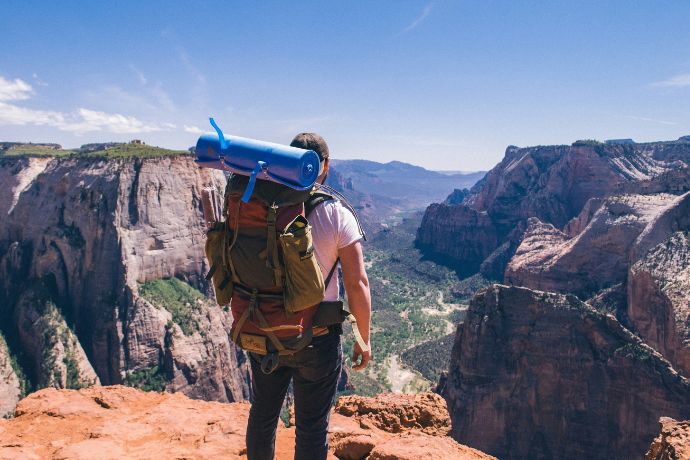 A man standing on top of Mount Zion National Park, United States
Risks During Major Events and Peak Travel Seasons
Crowded Tourist Attractions
Major attractions such as:
- Disneyland
- Times Square
- Las Vegas Strip
- National parks
- Music festivals
It can become extremely crowded during peak travel periods.
Crowding may increase:
- Theft risks
- Transportation delays
- Heat exhaustion
- Security concerns
Event Security Risks
Sometimes, large gatherings can raise security concerns. Travelers, especially those attending festivals, sporting events, or concerts, should be aware of emergency exits and local safety procedures.
Outdoor and Adventure Travel Risks
National Park Safety
The United States is famous for outdoor adventure opportunities. However, national parks also contribute to the US travel risk due to:
- Wildlife encounters
- Hiking injuries
- Heat exhaustion
- Dehydration
- Falls and accidents
Popular destinations such as Yellowstone, Grand Canyon, and Yosemite require proper preparation and awareness.
Beach and Water Safety
Coastal travel may involve:
- Rip currents
- Strong waves
- Jellyfish
- Boating accidents
Travelers should always follow lifeguard instructions and local safety warnings.
Winter Sports Risks
Every year, millions of visitors flock to skiing and snowboarding destinations in Colorado, Utah, and Vermont. But injuries to winter sports athletes are still relatively common.
An outdoor activity cover is important for adventure sports travelers to check on their travel insurance policy.
Digital and Financial Risks
Credit Card Fraud
Tourists may occasionally experience the following:
- Card skimming
- Fraudulent charges
- Identity theft
To reduce risks:
- Use secure ATMs
- Monitor bank accounts regularly
- Avoid public payment terminals when possible
Public Wi-Fi Risks
Public Wi-Fi networks in airports, hotels, and cafes may expose travelers to cybersecurity threats. Using VPN services can help protect personal data.
Why Travel Insurance Matters for the United States
One of the smartest ways to reduce US travel risk is to buy travel insurance. Even the best-planned vacations sometimes go awry, and in the United States, the financial impact is often significant.
A comprehensive insurance policy may help cover:
- Emergency medical treatment
- Hospitalization costs
- Flight cancellations
- Lost baggage
- Emergency evacuation
- Theft-related losses
- Travel delays
Travelner Insurance offers customized travel protection for travelers to the United States. Whatever your plans—family holiday, business trip, solo adventure or cross-country road trip—reliable coverage can provide you with valuable financial protection and peace of mind.
Insurance is often viewed as a necessity rather than an option because medical treatment can be very expensive in the US.
Essential Safety Tips Before Traveling to the US
Travelers can reduce travel risk significantly by preparing carefully before departure.
Before Your Trip
- Purchase comprehensive travel insurance
- Research local safety conditions
- Monitor weather forecasts
- Keep copies of important documents
- Inform banks about international travel
During Your Trip
- Avoid displaying expensive items
- Use official transportation services
- Stay alert in crowded tourist areas
- Keep emergency contacts accessible
- Follow local emergency alerts
Simple precautions often make a major difference in traveler safety.
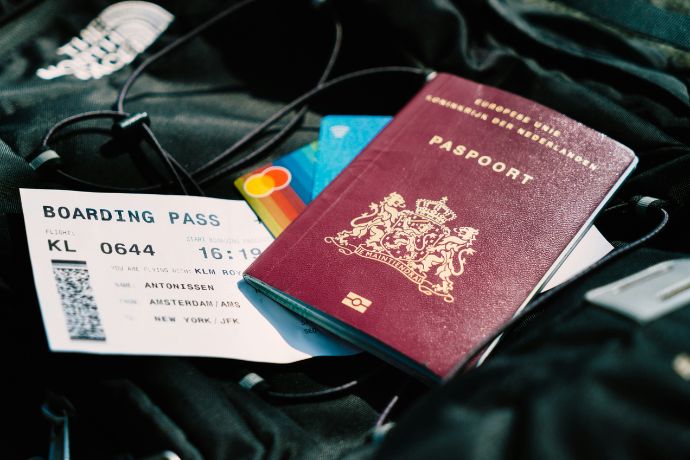 Prepare the document Before Your Trip
Who Faces Higher Travel Risks in the United States?
Certain travelers may face greater exposure to travel risk depending on their activities and travel style.
Higher-risk groups include:
- Adventure travelers
- Long-distance road trippers
- Backpackers
- Elderly travelers
- Families with young children
- First-time international visitors
Understanding personal risk factors helps travelers prepare more effectively and choose appropriate insurance coverage.
Final Thoughts
The U.S. is still one of the most exciting, diverse travel destinations on the planet. Vibrant cities, famous landmarks, incredible national parks, and coastal getaways create unforgettable experiences for all types of travelers.
Before your trip, it's important to understand the potential travel risks you may encounter in the United States. While most travel issues can be handled, all trips are subject to unforeseen medical emergencies, weather delays, transport disruptions, and theft-related incidents.
Well-informed travelers who follow local safety advice and buy dependable travel insurance are much more likely to have a safe and stress-free trip. Travelner Insurance provides travelers with flexible travel protection plans that are customized to assist travelers in emergencies, cancellations, and unexpected disruptions abroad, allowing travelers to travel with greater confidence in the USA.
Explore tailored travel insurance and protect your trip now!




Related articles

 May 26, 2026
Travel Risk Italy: What Travelers Should Know Before Visiting

May 25, 2026
Travel Risk Australia: What Travelers Need to Know Before Your Trip
May 10, 2026
What to Do If You Get Sick While Traveling: A Complete Guide for Travelers
May 10, 2026