- Blog
- Travel tips and safety
- Travel Risk Australia: What Travelers Need to Know Before Your Trip
Travel Risk Australia: What Travelers Need to Know Before Your Trip
Australia is one of the most exciting travel destinations in the world. The country draws millions of tourists each year, from Sydney’s famous harbor and the Great Barrier Reef to the rugged Outback and pristine beaches. However, before you start planning your trip, it is important to know the travel risks in Australia. Australia is a safe country, but travelers can sometimes find themselves in unexpected situations, such as extreme weather, wildlife encounters, expensive medical emergencies, transportation issues, or outdoor accidents.
Understanding potential risks does not mean avoiding Australia—it means being better prepared for a safer and more enjoyable trip. Instead, it helps travelers to prepare well and enjoy their trip with confidence. Whether you are traveling for adventure, business, backpacking, or family holidays, knowing the travel risks in Australia can help make your travel experience safer and more enjoyable.
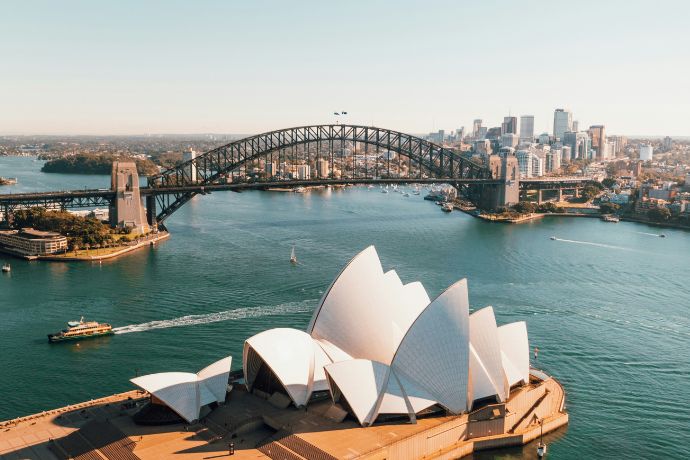 Sydney Opera House
Understanding Travel Risk Australia Before Visiting
When you are discussing travel risk in Australia, it’s important to understand that risks can vary depending on where you travel, the season, and your planned activities. The challenges facing a person visiting the city center of Melbourne will be very different from those faced by the person driving through remote desert areas or diving near coral reefs.
Australia has modern infrastructure, high-quality healthcare, and stable public safety systems. But the country is also known for its rugged natural environments. Travelers often underestimate the long driving distances, the strong ocean currents, and the extreme temperatures. This mix of comfort and wilderness makes it all the more important to understand travel risk in Australia.
The most common travel risks in Australia include:
- Bushfires and floods
- Dangerous UV exposure
- Marine hazards such as jellyfish and rip currents
- Road accidents during long-distance travel
- Expensive medical treatment for tourists
- Remote areas with limited emergency access
- Wildlife encounters
- Trip cancellations due to weather events
Being informed about these risks allows travelers to prepare effectively before departure.
Is Australia Safe for International Travelers?
Australia is a very safe place to visit for most visitors. Violent crimes are relatively low, public transport is reliable, and the tourist infrastructure is excellent. International visitors generally find popular destinations such as Sydney, Brisbane, Perth, Adelaide, and Melbourne safe.
But in Australia, safety is more about being aware of your environment than criminals. Many travelers only pay attention to the safety of the city, ignoring outdoor conditions. To understand travel risk in Australia, you need to understand that natural conditions can sometimes be more dangerous than urban crime.
For example, tourists unfamiliar with Australian beaches may underestimate rip currents. Others may try long road trips without realizing the great distances between towns. Even experienced travelers may have problems if they are not properly prepared.
Natural Disaster Risks in Australia
Bushfires
Bushfires are one of the major travel risks in Australia. In some states, fire danger can be particularly great in the warmer months, especially late spring through summer.
Bushfires can:
- Force evacuations
- Cause road closures
- Delay flights
- Affect air quality
- Disrupt tourism activities
People going to rural or forested areas should pay attention to local emergency alerts. Conditions can change rapidly, especially during heat waves and dry weather.
Floods and Cyclones
Australia’s north has tropical weather systems, and in the wet season, there are cyclones and flooding. Heavy rain may impact transport and infrastructure in Queensland, the Northern Territory, and Western Australia.
Travelers should:
- Avoid driving through flooded roads
- Follow local weather advisories
- Keep emergency contacts accessible
- Purchase travel insurance that covers natural disasters
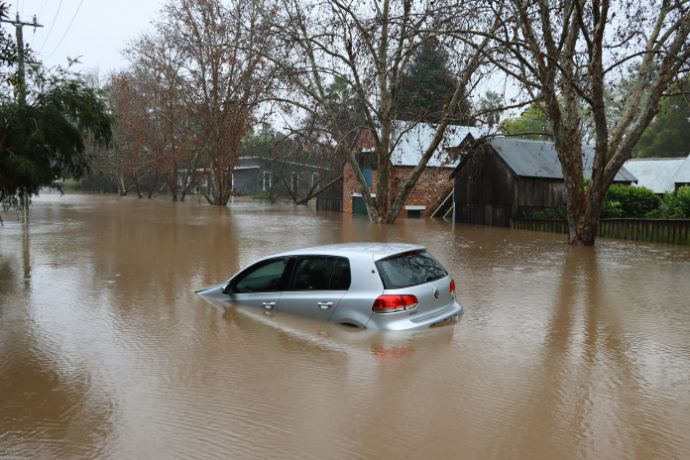 Flooded car at Windsor, Western Sydney
Extreme Heat and UV Exposure
The UV index in Australia is one of the highest in the world. Many travelers underestimate how quickly sunburn and dehydration can occur. Heatstroke is a serious health risk outdoors.
Simple precautions include:
- Wearing sunscreen
- Staying hydrated
- Avoiding direct sun during midday
- Wearing hats and UV-protective clothing
Wildlife Risks Travelers Should Know
Australia is famous for its wildlife. Most animals steer clear of humans, but certain circumstances can become risky nonetheless.
Marine Animals
Certain beaches may contain:
- Box jellyfish
- Bluebottle jellyfish
- Sharks
- Stingrays
Most tourist beaches are staffed with lifeguards and have warning signs. You are advised to swim between the safety flags.
Snakes and Spiders
Australia is renowned for its venomous snakes and spiders, but serious incidents involving tourists still happen quite rarely. Most bites happen when travelers try to touch or disturb wildlife.
To reduce risk:
- Wear proper footwear during hikes
- Avoid walking through tall grass
- Never handle wildlife
- Follow local safety advice
Kangaroos and Road Safety
Surprisingly, there are many road accidents in rural Australia involving kangaroos. Wildlife frequently crosses rural roads, especially around sunrise and sunset. Long-distance road trips should still be undertaken with caution.
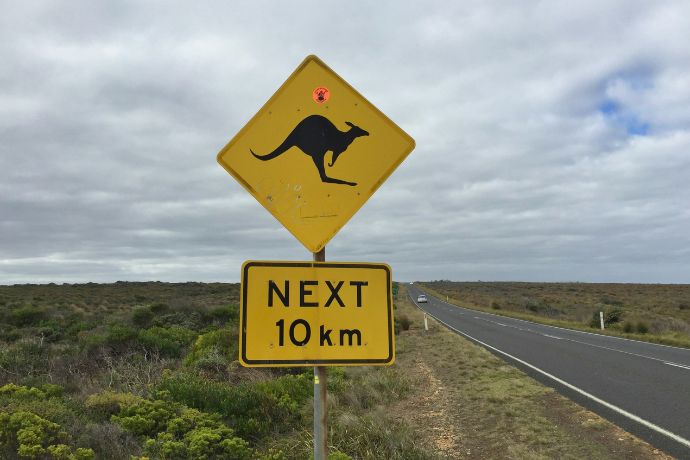 Traversing the Great Ocean Road in Victoria, Australia
Health Risks and Medical Costs in Australia
Australia has a great health care system, but it can be very expensive for overseas visitors to receive medical treatment. Even a basic emergency room visit can be expensive for uninsured international visitors.
This is an often-overlooked travel risk for travelers to Australia, who assume their domestic insurance will automatically cover them when they travel overseas.
Potential medical expenses may include:
- Ambulance services
- Emergency hospitalization
- Prescription medications
- Specialist treatment
- Emergency evacuation
Because of the potential costs, many travelers compare travel insurance options before visiting Australia to help manage unexpected medical and travel-related expenses.
Travelner Insurance offers flexible travel protection plans to help travelers with medical emergencies, trip interruptions, and other unexpected travel issues while visiting Australia.
Food and Water Safety in Australia
The good news is that Australia has very high standards of food and water safety. Food hygiene regulations are strictly enforced, and it is generally safe to drink tap water in the country.
However, travelers should still:
- Stay hydrated during hot weather
- Be cautious with seafood allergies
- Store food properly during camping trips
- Carry medications if they have dietary sensitivities
 Stay hydrated during hot weather
Transportation Risks in Australia
Long-Distance Driving
One of the most underestimated travel risks in Australia is the enormous distance between destinations. Many international visitors are unfamiliar with the scale of the country.
Driving for several hours through remote regions can involve:
- Fatigue
- Limited fuel stations
- Poor phone reception
- Wildlife crossings
- Extreme heat
Travelers planning road trips should:
- Rest regularly
- Carry extra water
- Inform others of travel routes
- Check vehicle conditions carefully
Left-Side Driving
Australia drives on the left side of the road, which may challenge visitors from countries using right-side traffic systems.
Extra caution is needed at:
- Roundabouts
- Intersections
- Highway entrances
Public Transportation
Public transportation in major cities is generally reliable and safe. However, travelers should still remain aware of personal belongings in crowded areas.
Risks in Remote Australia
Remote travel is one of the most unique parts of the Australian experience, but it also increases travel risk Australia significantly.
The Outback and isolated regions may involve:
- Limited emergency services
- Weak or no mobile signal
- Harsh environmental conditions
- Long distances without facilities
Travelers should never underestimate the seriousness of remote-area travel. Even experienced hikers and campers should prepare carefully before entering isolated environments.
Essential supplies include:
- Water reserves
- Navigation tools
- Emergency communication devices
- First aid kits
- Extra fuel
Beach and Ocean Safety
Australian beaches are stunning, but ocean conditions can be dangerous for inexperienced swimmers.
Rip Currents
Rip currents are among the leading beach-related dangers. These strong water currents can quickly pull swimmers away from shore.
Visitors should:
- Swim only at patrolled beaches
- Stay between red-and-yellow safety flags
- Ask lifeguards about local conditions
- Avoid swimming alone
Surfing and Water Sports
Surfing, diving, and snorkeling are popular activities, but they also contribute to travel risk Australia for adventure travelers.
Travelers participating in adventure sports should confirm whether their insurance covers:
- Scuba diving
- Surfing injuries
- Helicopter evacuation
- Water rescue operations
Travelner Insurance provides plans designed for active travelers who want broader protection during outdoor adventures.
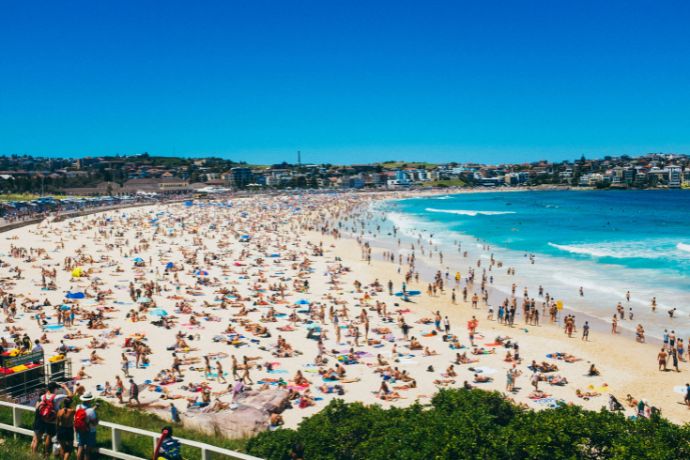 Sunbathers and swimmers on Bondi Beach on a sunny day in Sydney, Australia
Personal Safety and Tourist Scams
Australia has relatively low violent crime rates, but petty theft and scams can still affect travelers.
Common issues include:
- Pickpocketing in tourist areas
- Fake online booking websites
- ATM card fraud
- Overpriced unofficial transport services
Travelers can reduce risk by:
- Using secure booking platforms
- Avoiding isolated areas late at night
- Keeping valuables protected
- Monitoring bank transactions
Solo Travel Risk Australia
Solo travel across Australia remains extremely popular, especially among backpackers and working holiday travelers.
Solo Female Travelers
Australia is considered relatively safe for solo female travelers. Still, common safety precautions remain important:
- Avoid isolated nightlife areas
- Share travel plans with trusted contacts
- Use licensed transportation services
- Choose reputable accommodations
Backpacker Safety
Backpackers often travel long distances on limited budgets, which may increase exposure to travel risk Australia.
Potential concerns include:
- Unregulated transportation
- Unsafe rideshares
- Poor accommodation security
- Adventure activity injuries
Having reliable travel insurance becomes especially valuable for long-term travelers.
Seasonal Travel Risks in Australia
Summer Risks
Australian summers can bring:
- Heatwaves
- Bushfires
- UV exposure
- Crowded tourist sites
Travelers should prepare for rapidly changing conditions during peak summer months.
Winter Risks
While winters are mild in many parts of Australia, alpine areas may experience:
- Snowstorms
- Slippery roads
- Mountain weather changes
Winter sports travelers should ensure their insurance includes snow-related coverage.
Why Travel Insurance Matters for Australia
Many travelers only think about insurance after a problem occurs. However, purchasing protection before departure is one of the smartest ways to manage travel risk Australia.
A comprehensive policy can help cover:
- Emergency medical treatment
- Hospitalization costs
- Flight delays and cancellations
- Lost baggage
- Emergency evacuation
- Adventure activity accidents
Travelner Insurance helps travelers prepare for unexpected situations with customizable plans suited for different travel styles. Whether you are visiting Australia for a family vacation, backpacking journey, business trip, or adventure holiday, having reliable travel coverage can provide valuable peace of mind.
Understanding the broader concept of Australian travel risk also means recognizing that even safe countries can present costly surprises. Insurance acts as a financial safety net when unpredictable events occur.
Essential Safety Tips for Visiting Australia
To reduce travel risk in Australia, travelers should follow several practical safety measures before and during their trip.
Prepare Before Departure
- Check seasonal weather conditions
- Review local emergency alerts
- Purchase comprehensive travel insurance
- Understand visa and entry requirements
Stay Safe Outdoors
- Carry water during hikes
- Wear sun protection
- Follow beach warning signs
- Avoid dangerous wildlife encounters
Travel Responsibly
- Plan road trips carefully
- Avoid driving while fatigued
- Inform others when traveling remotely
- Keep emergency contacts available
These simple precautions can dramatically reduce potential problems during your visit.
Who Faces Higher Travel Risks in Australia?
Some travelers may face greater exposure to travel risk Australia depending on their activities and travel style.
Higher-risk groups include:
- Adventure travelers
- Campers and hikers
- Backpackers
- Elderly travelers
- Families with young children
- Remote-area explorers
Travelers engaging in activities like surfing, diving, or remote trekking should choose insurance policies that match their itinerary carefully.
Final Thoughts
Australia remains one of the most rewarding travel destinations in the world. With its breathtaking scenery, lively cities, and outdoor pursuits, it still draws millions of visitors each year. But knowing travel risks in Australia is the key to safe and responsible travel planning.
The good news is that most risks can be managed with preparation and awareness—from bushfires and road safety to medical costs and ocean conditions. The traveler who does his homework on local conditions, follows safety advisories, and has good insurance is far more likely to have a smooth and memorable trip.
While Australia is widely regarded as a safe destination, travelers should still prepare for weather-related disruptions, outdoor hazards, and unexpected medical expenses. Travelner Insurance provides travel insurance products that enable travelers to travel across Australia with more confidence, financial protection, and peace of mind every step of the way.
Explore tailored travel insurance and protect your trip now!




Related articles

 May 26, 2026
US Travel Risk: What Travelers Should Know Before Visiting the United States

May 26, 2026
Travel Risk Italy: What Travelers Should Know Before Visiting
May 10, 2026
What to Do If You Get Sick While Traveling: A Complete Guide for Travelers
May 10, 2026